American ivy is one of the most versatile climbing plants used in garden and landscape design thanks to its fast growth, strong climbing ability, and decorative foliage. It is especially valued for covering walls, fences, pergolas, and facades, creating a natural green texture in a short time. In this article, you will find detailed answers to common questions such as what is American ivy, American ivy characteristics, how to propagate American ivy, and when to plant American ivy, along with practical landscape usage ideas.
American ivy is a deciduous climbing plant known botanically as Parthenocissus quinquefolia. The American ivy Latin name is widely used in botanical references and landscaping literature. Native to North America, this plant is well known for its ability to cling firmly to surfaces using adhesive tendrils.
Although it is often referred to as three-leaf American ivy, many varieties actually have five leaflets. One of its most attractive features is the seasonal color change: the foliage turns from green to deep red and burgundy tones in autumn, adding strong visual impact to landscapes.
The characteristics of American ivy make it a highly adaptable and low-maintenance plant suitable for various environments. Key features include:
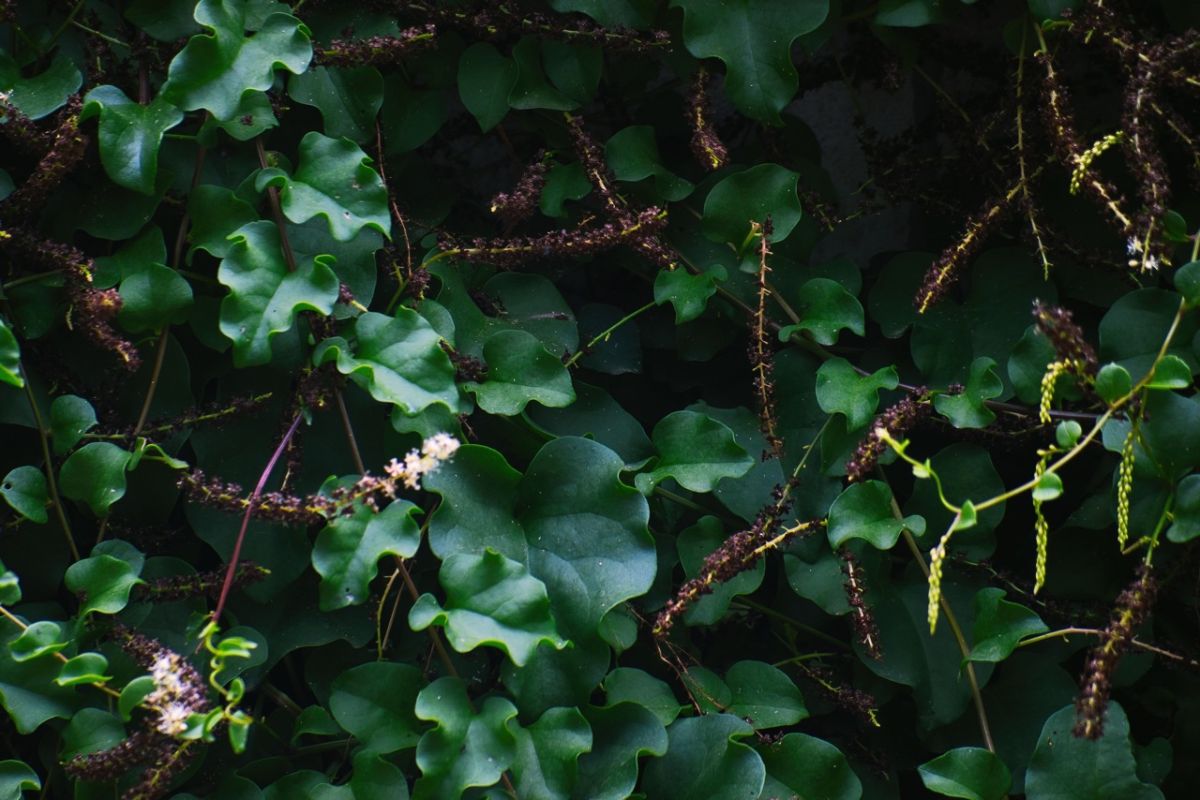
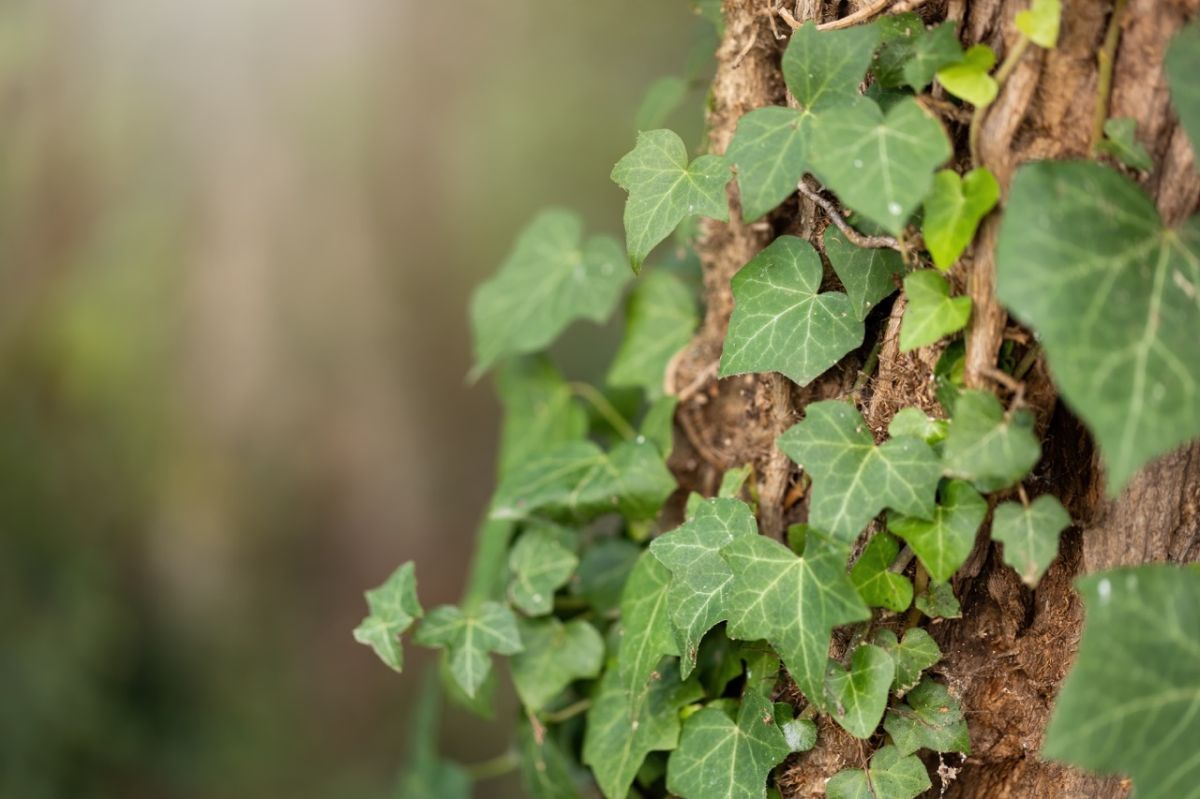
American ivy green foliage dominates in spring and summer, forming a dense natural cover. In autumn, the leaves transform into vibrant red tones, making the plant a seasonal focal point.
The most common types include:
American ivy can be grown in gardens, parks, residential landscapes, fences, and building facades. It is not particularly demanding about soil type, but well-drained soil promotes healthier growth.
A frequently asked question is: When should American ivy be planted?
rnThe ideal planting periods are spring and autumn.
Avoid planting during extreme heat in summer or heavy frost periods in winter. Understanding when to plant American ivy ensures long-term success and healthy growth.
American ivy propagation is simple and cost-effective, making it ideal for large landscape projects.
If you are wondering how to propagate American ivy, the most common methods are:
Propagation by cuttings is the most widely used method. Healthy stems cut in spring or autumn can be planted directly into moist soil, where they root quickly. This method makes American ivy propagation highly efficient with a high success rate.
Three-leaf American ivy (Parthenocissus tricuspidata) is especially popular for vertical surfaces. Compared to other types, it offers:
These features make three-leaf American ivy an excellent choice for architectural facades and urban landscaping projects.
One of the most common questions is: Is American ivy fruit edible?
➡️ No. American ivy fruit is not edible.
The berries of American ivy are toxic to humans and pets and should never be consumed. However, birds often feed on the fruit without harm. Due to this toxicity, caution is advised when planting American ivy in areas accessible to children or animals. The question “Is American ivy fruit edible?” should always be answered clearly to avoid health risks.
American ivy offers a wide range of applications in landscape design. Common uses include:
Its fast growth allows it to form a living green wall in a short period. The dense American ivy green foliage softens hard architectural surfaces and enhances the natural appearance of outdoor spaces.
For more insight into landscape principles, visit:
https://cembotanik.com/peyzaj-nedir-peyzaj-tasarimi-neden-onemlidir
To combine ivy with fast-growing plant species, see:
https://cembotanik.com/bahceniz-icin-en-hizli-buyuyen-agac-turleri
Cem Botanik integrates plants like American ivy into professionally designed landscapes, creating sustainable, long-lasting, and visually balanced green spaces. By selecting the right species, determining when to plant American ivy, and applying proper propagation and maintenance techniques, Cem Botanik delivers landscape solutions that enhance both aesthetic and ecological value.
In summary, American ivy is a powerful and decorative climbing plant widely used in gardens and landscape design. Understanding American ivy characteristics, how to propagate American ivy, when to plant American ivy, and whether American ivy fruit is edible ensures safe and successful applications.
When used correctly, American ivy provides a natural identity to outdoor spaces, offering both functional coverage and seasonal visual beauty.