The bay laurel tree (Laurus nobilis) is a valuable plant known for both its ornamental beauty and its wide use in cooking and natural remedies. Native to the Mediterranean region, this evergreen tree can be easily grown in gardens or containers when provided with the right care conditions. With its fragrant leaves, elegant form, and versatile uses, the bay laurel tree is an excellent addition to both landscapes and everyday life. In this guide, we cover everything from planting and care to harvesting and practical uses.
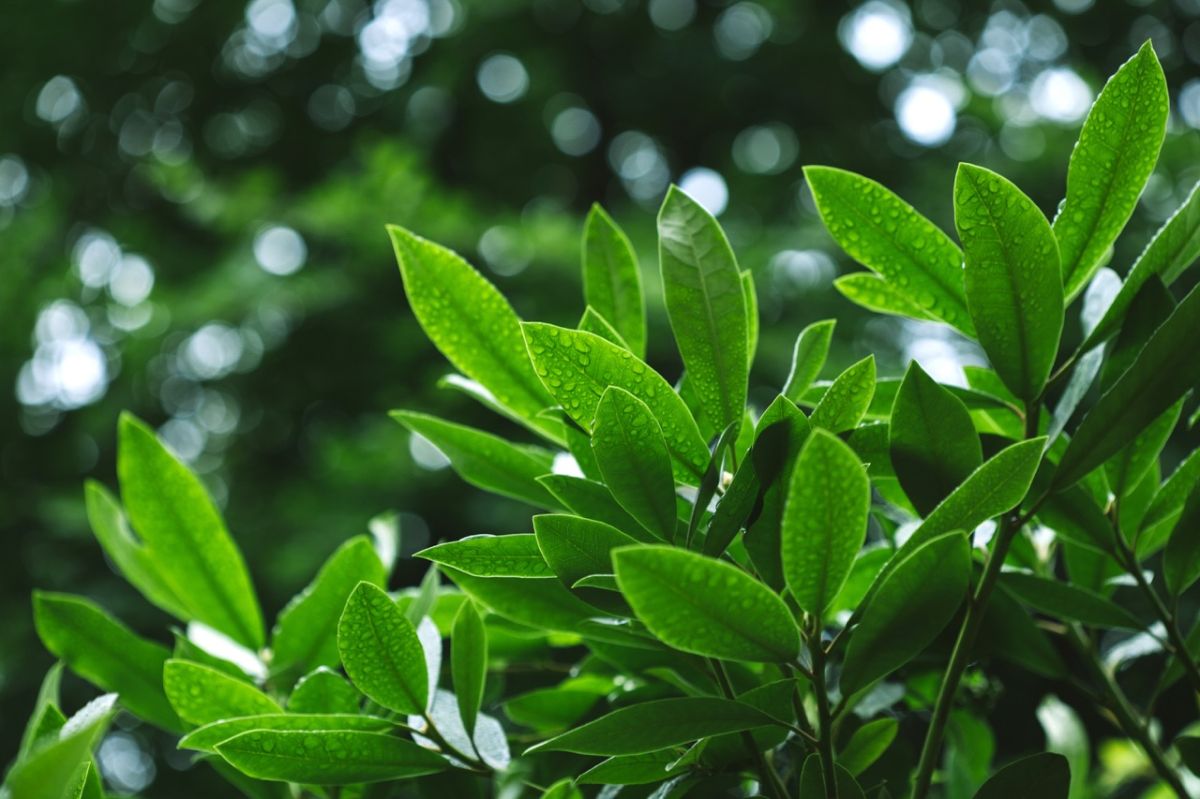
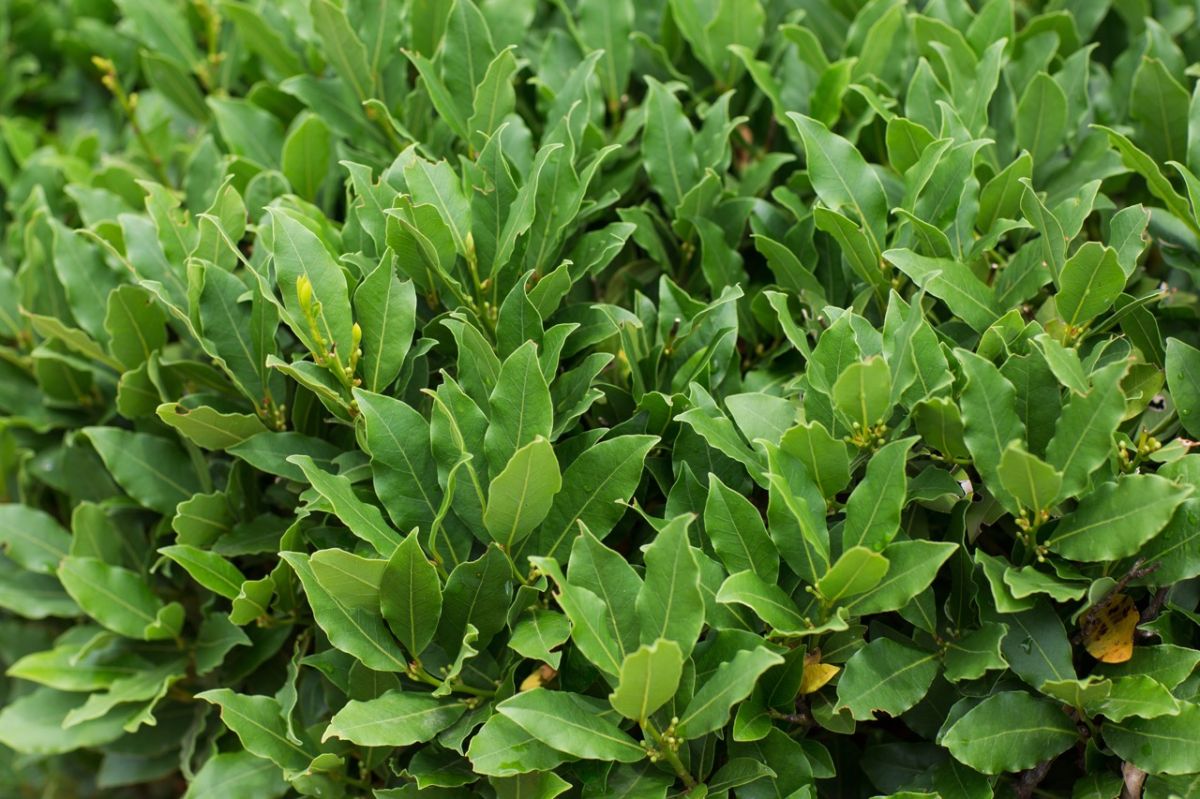
rnThe bay laurel tree is an evergreen, aromatic plant with glossy green leaves that retain their color throughout the year. These leaves are widely used as a culinary herb, adding flavor to a variety of dishes.
rnrnIt is a slow-growing but long-lived plant that can thrive for many years under proper conditions. Additionally, it responds well to pruning, making it suitable for shaping into different forms.
rnrnThe bay laurel tree naturally thrives in Mediterranean climates. It grows well outdoors in mild and warm regions and is commonly found in coastal areas.
rnrnIn colder climates, it is recommended to grow bay laurel in pots so it can be moved indoors during winter for protection against frost.
rnrnPlanting a bay laurel tree is relatively simple, but choosing the right method is important for healthy growth.
rnrnThe most common and practical method is to start with saplings. Growing from seeds requires more time and patience.
rnrnUsing a sapling allows for faster results and ensures healthier development. During planting, care should be taken to avoid damaging the roots.
rnrnBay laurel trees grow best in sunny to partially shaded areas. They should be planted in locations protected from strong winds.
rnrnThey are not highly demanding in terms of soil, but well-draining, light soils rich in organic matter provide the best conditions. Heavy, water-retaining soils should be avoided.
rnrnBay laurel can be successfully grown in pots, making it ideal for urban living.
rnrnWhen selecting a pot, proper drainage is essential. Watering should be balanced, ensuring the soil does not dry out completely. Regular pruning helps maintain the desired shape and size in container-grown plants.
rnrnIn natural conditions, bay laurel trees can grow up to 5–10 meters (16–33 feet) tall. When grown in pots, their size remains more limited.
rnrnPotted bay laurel trees should be repotted periodically as their roots grow. Repotting every 1–2 years is generally recommended.
rnrnRefreshing the soil helps meet the plant’s nutritional needs and supports healthy growth.
rnrnBay leaves can be harvested throughout the year, but they tend to have the most intense aroma during the summer months.
rnrnHarvested leaves can be dried in the shade and stored for long-term use in cooking.
rnrnYes, the bay laurel tree produces small, dark-colored berries, usually in autumn.
rnrnThese fruits are commonly used in natural oil production but are not as widely consumed as the leaves.
rnrnBay laurel seeds are part of the plant’s reproductive system and are used in certain traditional applications.
rnrnThey are often utilized in natural oil extraction and herbal practices. However, proper knowledge is essential before use.
rnrnAlthough bay laurel is generally a hardy plant, it may occasionally be affected by pests.
rnrnCommon pests include aphids and scale insects. These can be managed using natural solutions such as soapy water, neem oil, or plant-based treatments.
rnrnRegular monitoring and proper care are the most effective ways to prevent such issues.
rnrn
rnThe bay laurel tree is a valuable plant that combines aesthetic appeal with practical uses. With proper care, suitable conditions, and regular observation, it can thrive for many years in both gardens and containers.