Plants can thrive for years when provided with the right care. However, environmental conditions, improper watering, insufficient light, or pests can lead to various plant diseases. The key is early detection and choosing natural, sustainable solutions whenever possible. In this guide, we cover the most common plant diseases and simple, effective natural remedies you can prepare at home.
rnPlants communicate stress through visible signs. Changes in leaf color, slowed growth, or loss of structure are often indicators that something is wrong.
rnrnA healthy plant typically has vibrant leaves, a strong stem, and consistent growth. Any deviation from this balance should be carefully observed.
rnrnMost plant diseases present clear and recurring symptoms. Recognizing these signs early is essential for effective treatment.
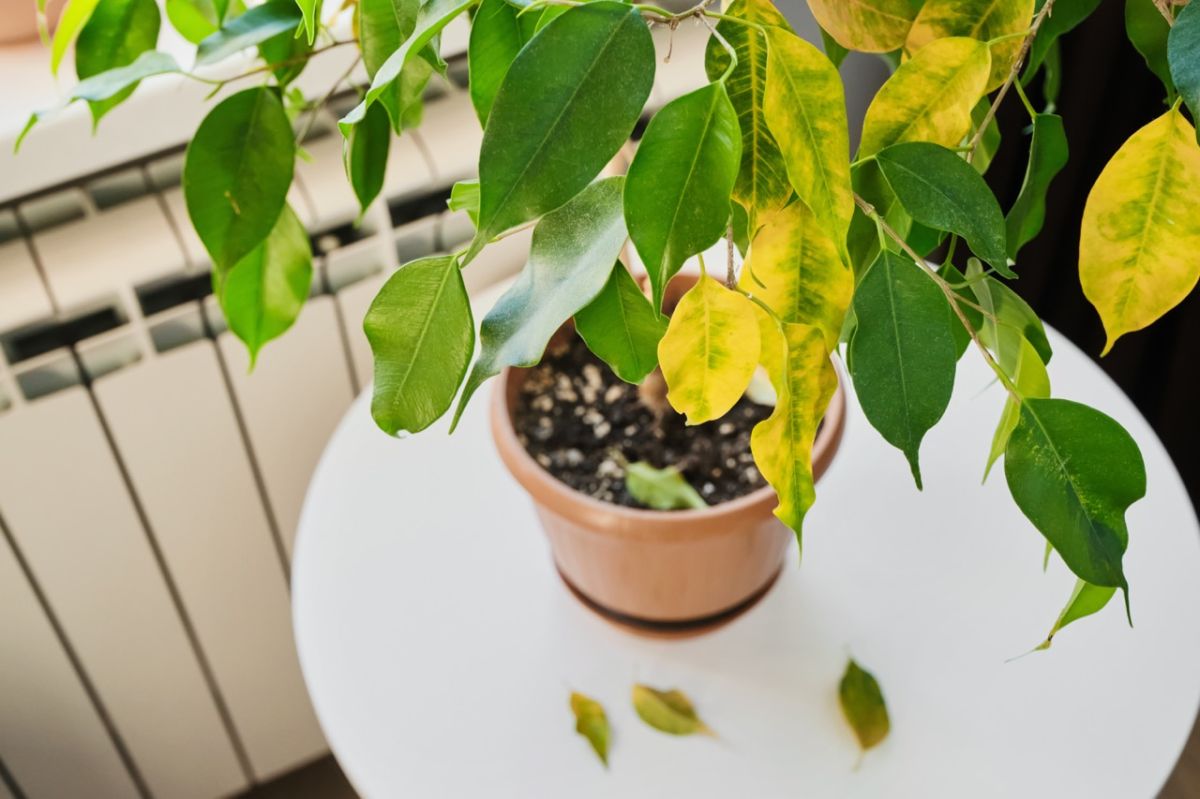
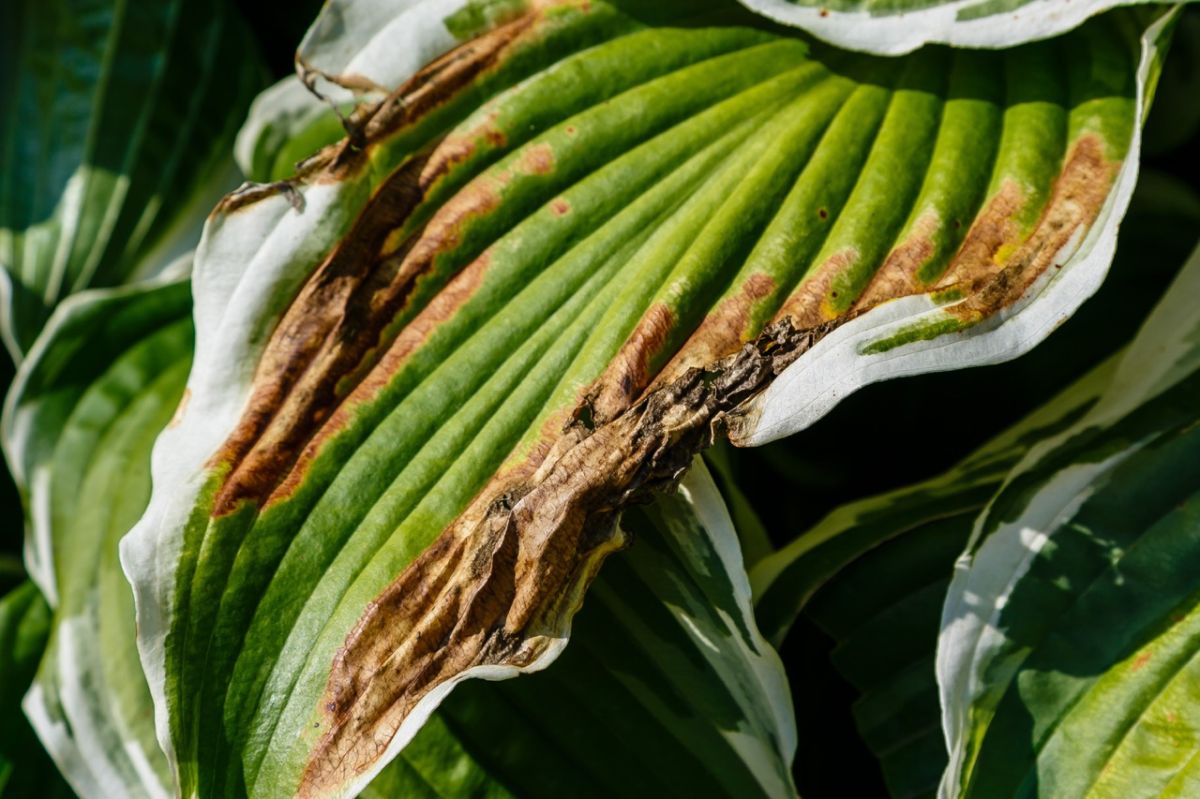
rnrnYellowing, fading, or brown spots on leaves are often caused by nutrient deficiencies, overwatering, or fungal infections. Irregular spots on leaf surfaces may indicate fungal issues.
rnrnSoftening stems, unpleasant odors, or darkened roots are common signs of root rot. This is usually caused by excessive watering and poor drainage.
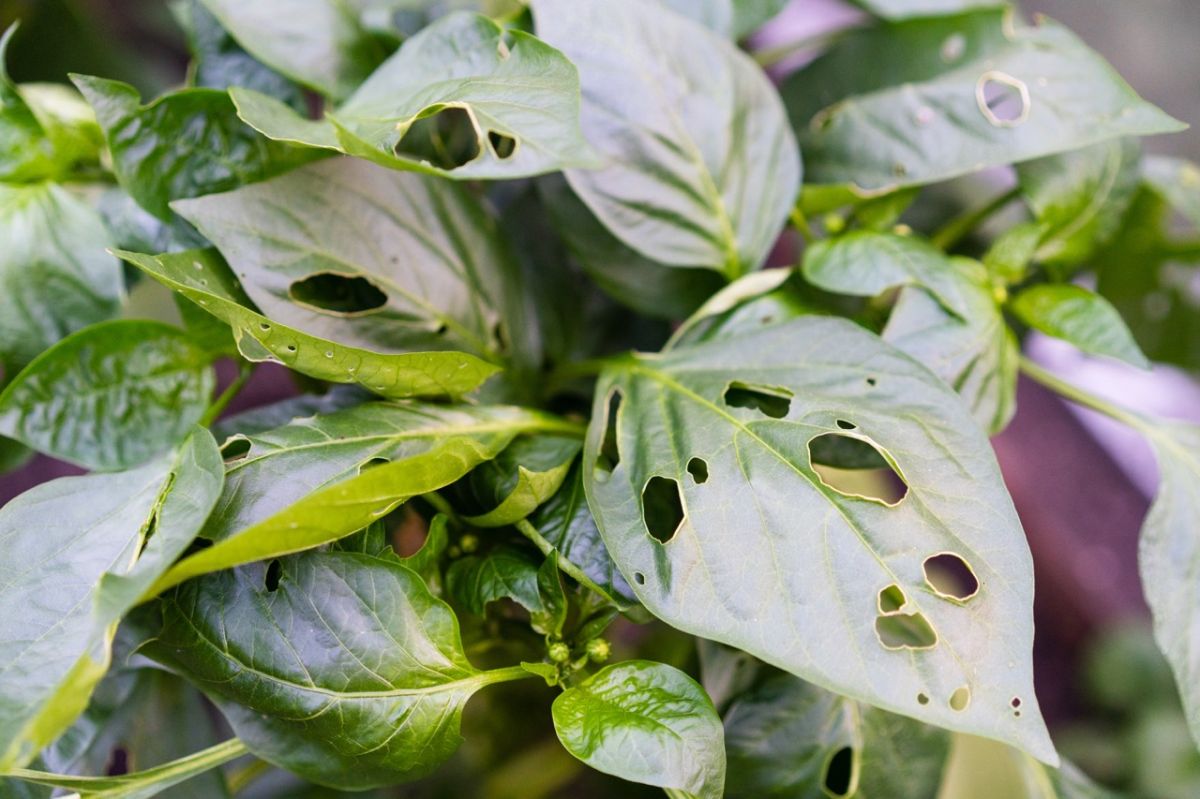
rnrnMany plant problems are directly linked to pests and fungal infections.
rnrnMealybugs appear as white, cotton-like clusters on leaves and stems. They feed on plant sap and weaken the plant over time.
rnrnSpider mites thrive in dry and warm environments. They create fine webs under leaves and cause rapid plant deterioration.
rnrnPowdery mildew appears as a white powder-like layer on leaf surfaces. Humid conditions accelerate its spread.
rnrnAphids usually attack young shoots and slow down plant development. Due to their rapid reproduction, early intervention is crucial.
rnrnNatural treatments are safer for both plants and the environment compared to chemical solutions.
rnrnMix a few drops of liquid soap and a small amount of alcohol with water. Spray directly onto leaves to remove pests effectively.
rnrnCrushed garlic infused in water acts as a natural antibacterial and insect repellent solution, especially effective against fungal problems.
rnrnA baking soda mixture helps prevent fungal growth on leaf surfaces and reduces the risk of powdery mildew.
rnrnNeem oil is a powerful natural pesticide that protects plants from a wide range of pests while strengthening plant resistance.
rnrnNettle-based solutions enhance plant resilience and support healthy growth.
rnrnPreventing plant diseases is just as important as treating them. Proper care conditions significantly reduce risks.
rnrnAdequate airflow and correct light exposure help prevent fungal growth and maintain plant health.
rnrnNewly purchased plants should be kept separate for observation before introducing them to your existing plants. This prevents the spread of potential diseases.
rnrn
rnThe best way to maintain plant health is through early detection and proper care. With natural remedies and preventive practices, you can protect your plants while maintaining a sustainable gardening routine.