Seed germination is the first and most critical step in growing healthy plants. When done correctly, it directly impacts the entire life cycle of the plant. Although it may seem simple, failing to maintain the right balance of moisture, temperature, and light can lead to unsuccessful results. In this guide, we walk you through every stage of the germination process—from selecting seeds to caring for young seedlings.
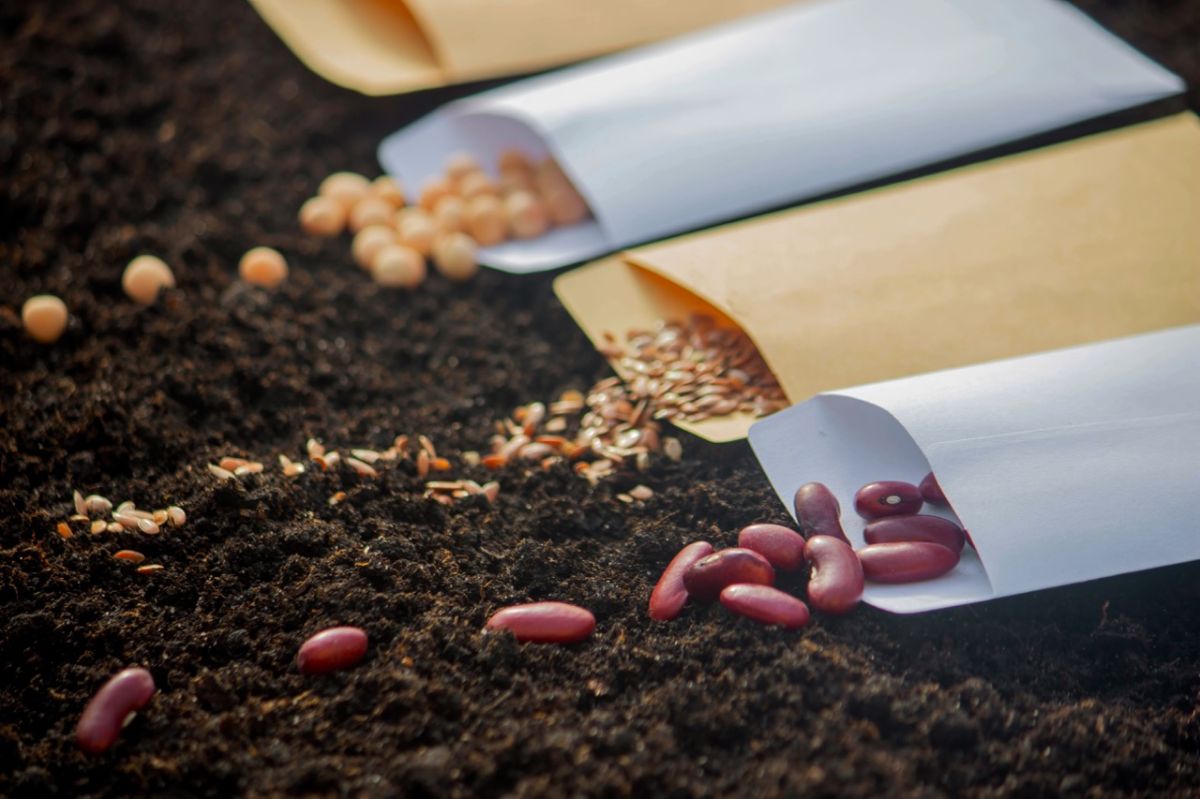
rnThe foundation of successful germination is choosing high-quality seeds. Healthy, full, and viable seeds should always be preferred. Old or improperly stored seeds can significantly reduce germination rates.
rnrnAlways check expiration dates and source seeds from reliable suppliers. Some seeds may also require pre-treatment, such as soaking, before planting.
rnrnGermination speed varies depending on the type of seed. Plants like lettuce, arugula, and basil typically germinate quickly, while peppers, tomatoes, and many tree species take longer.
rnrnIn general, smaller seeds with thinner outer shells tend to germinate faster. However, each plant species has its own specific requirements.
rnrnThe three most important factors for successful germination are moisture, temperature, and light. The soil should remain consistently moist, but not overly wet.
rnrnThe ideal temperature range is typically between 18–25°C (64–77°F). Low temperatures slow down germination, while excessive heat can damage the seeds.
rnrnLight requirements vary depending on the plant. Some seeds germinate best in darkness, while others need exposure to light.
rnrnThe paper towel method is a simple and effective way to monitor germination. Seeds placed between moist paper towels can sprout quickly under the right conditions.
rnrnUsing seed trays (plug trays) allows for a more controlled and organized germination process. This method is especially useful when growing multiple seedlings at once.
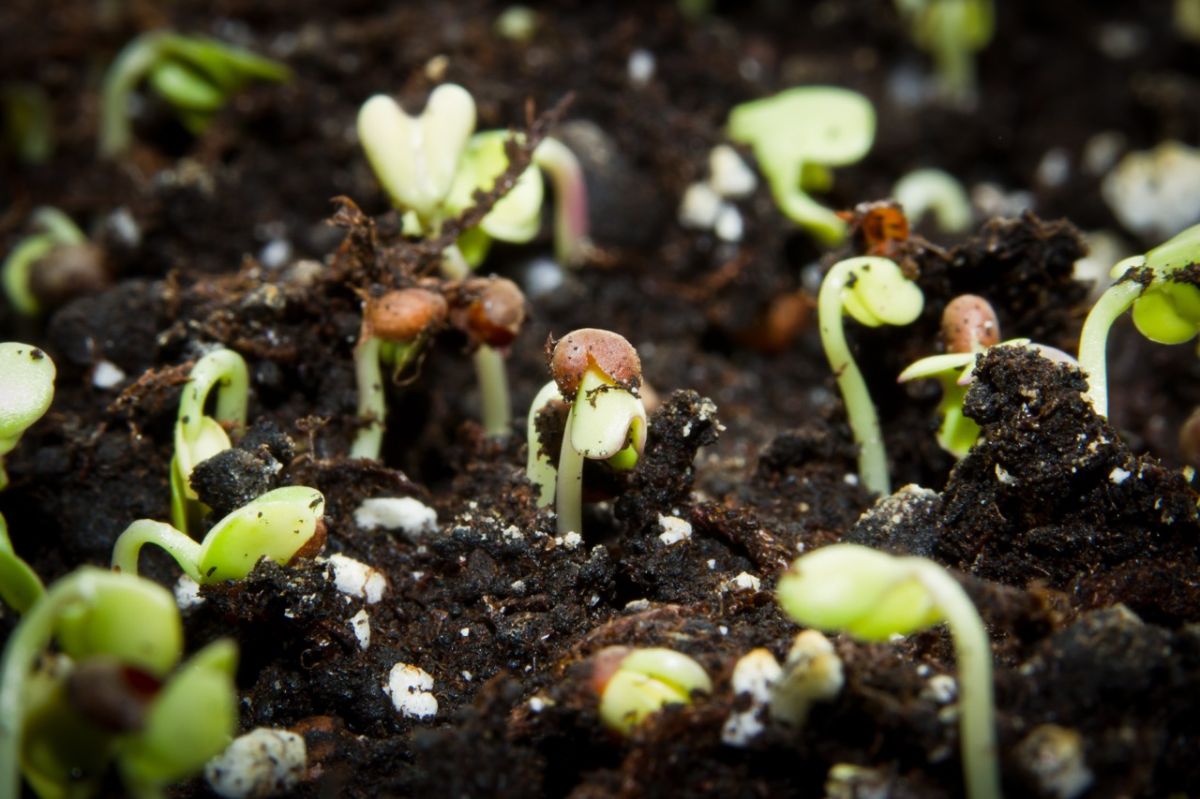
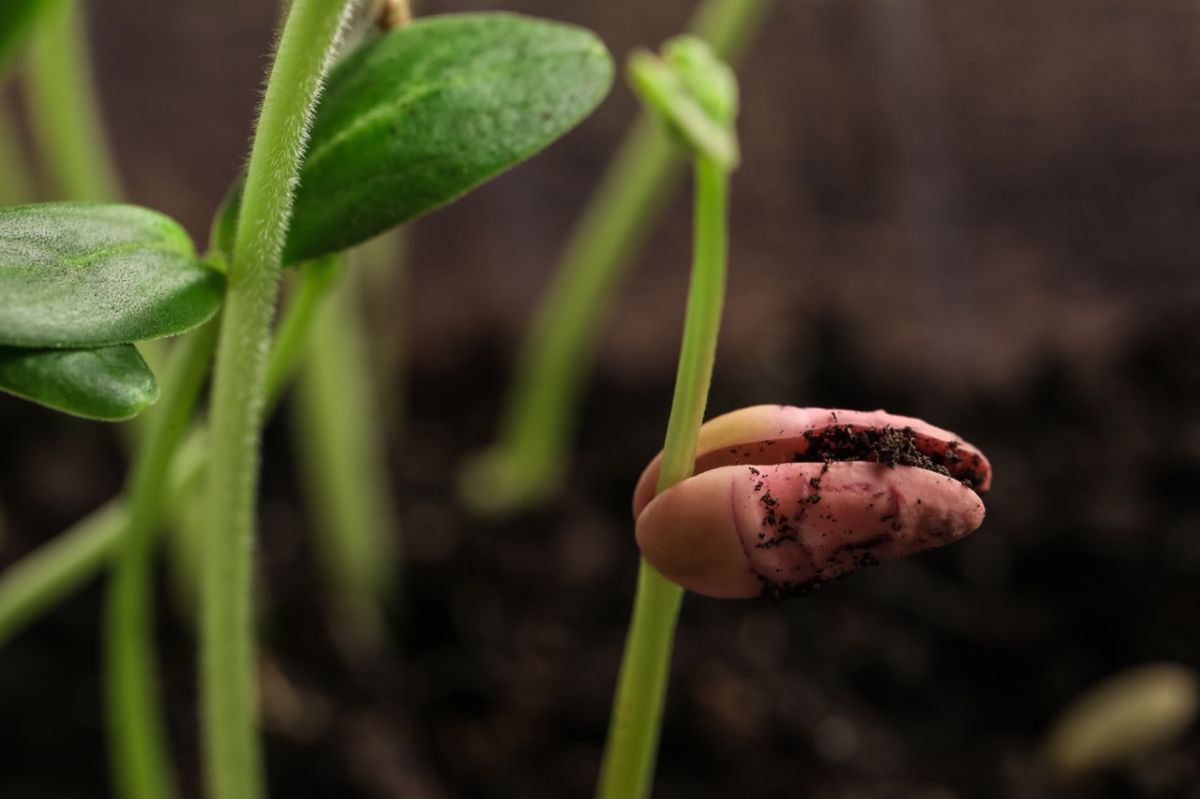
rnrnOnce germination occurs, the most delicate stage begins. Young seedlings are highly sensitive to environmental conditions.
rnrnMaintaining proper soil moisture is essential, but overwatering should be avoided. Seedlings must also receive adequate light; otherwise, they may become weak and elongated.
rnrnYoung seedlings should be protected from sudden temperature changes and strong winds. Keeping them in a semi-protected environment can help support healthy growth.
rnrnIt is also important to prevent fungal diseases caused by excess moisture. Regular observation plays a key role in early-stage plant care.
rnrnSeveral common mistakes can lead to poor germination results.
rnrnOverwatering, incorrect soil selection, insufficient light, and unsuitable temperatures are among the most frequent issues. Planting seeds too deep can also prevent successful sprouting.
rnrnSince each plant has unique needs, it is important to adjust your approach accordingly.
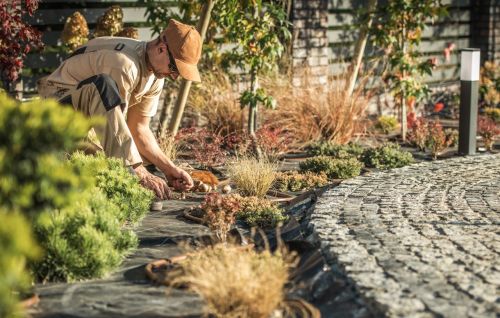
rnrnOnce seedlings reach a sufficient size, they should be transplanted to their permanent location.
rnrnDuring this process, it is crucial to handle the roots carefully to avoid damage. Seedlings should be gently removed and placed into their new environment.
rnrnIn the first few days after transplanting, protecting them from direct sunlight can help ease the adaptation process.
rnrn
rnSeed germination is a rewarding and productive process when done correctly. With the right balance of moisture, temperature, and light, even the smallest seed can grow into a strong and healthy plant.