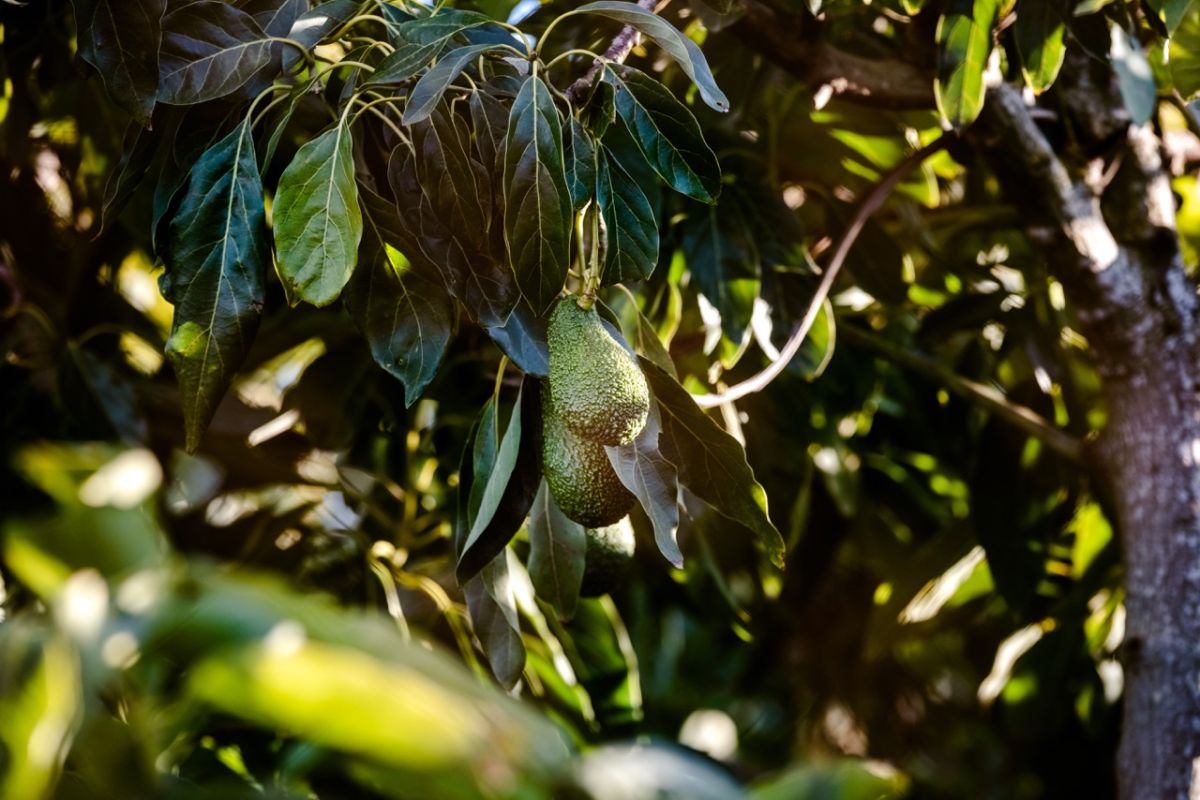
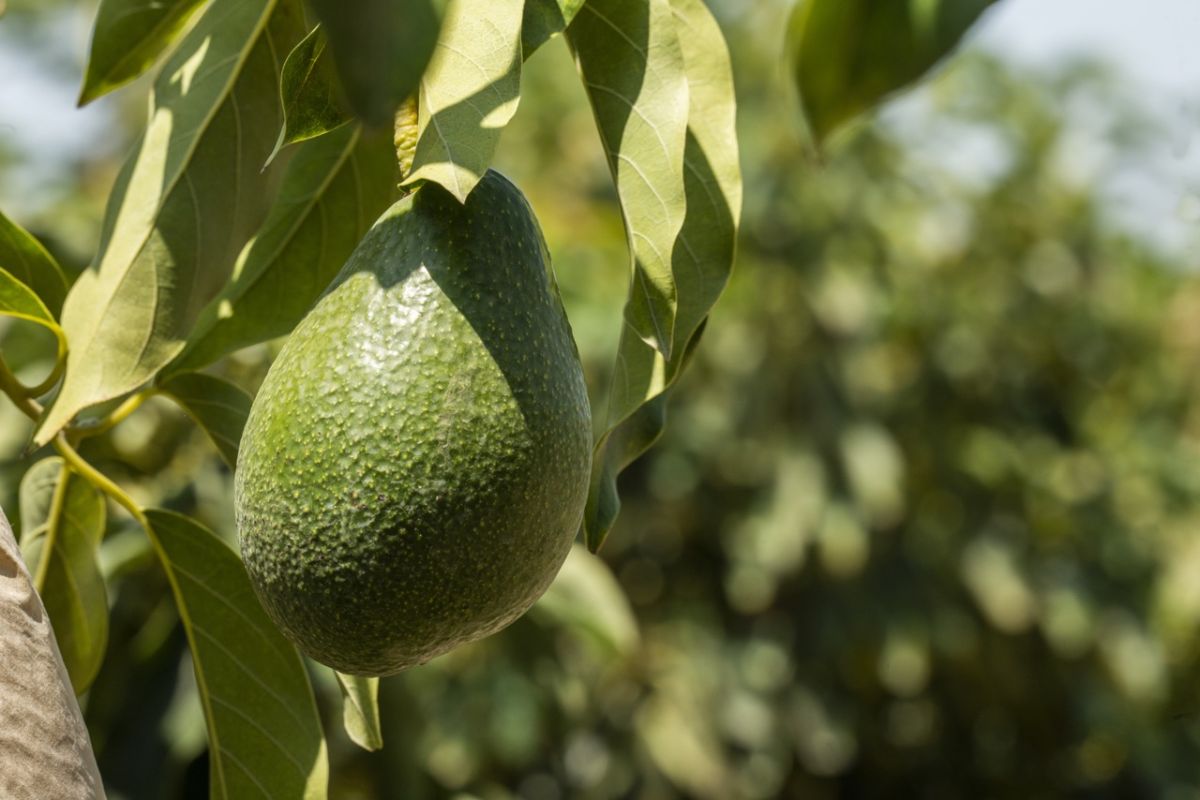
The avocado tree has become one of the most popular plants in recent years, thanks to its aesthetic appearance and highly nutritious fruit. The fact that it can be grown at home from a seed makes it even more appealing. However, growing a healthy and long-lasting avocado tree requires applying the right methods.
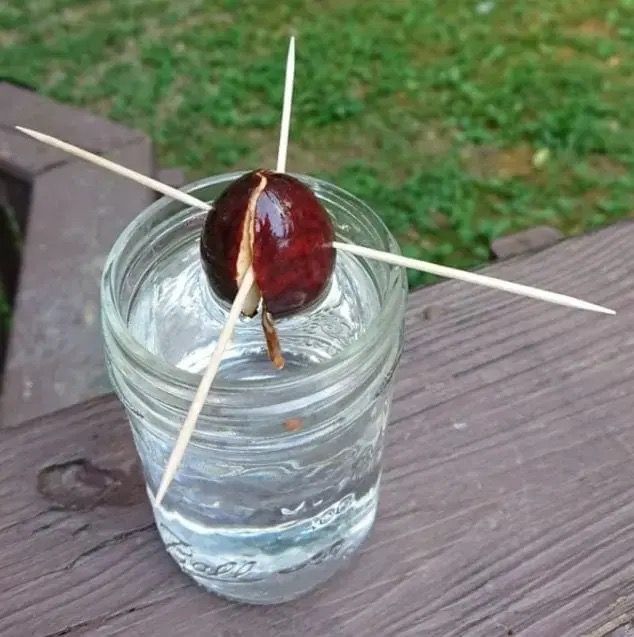
One of the most common ways to grow an avocado tree is from a seed. After removing the seed from a ripe avocado, it should be cleaned and placed in a container of water, with the bottom part submerged. This is usually done by securing the seed with toothpicks.
Within approximately 2 to 6 weeks, the seed begins to crack, and roots start to form. Shortly after, a sprout emerges from the top. Once the roots are sufficiently developed, the plant can be transferred into soil in a suitable pot. Patience is key at this stage, as avocado plants grow relatively slowly.
As a tropical plant, the avocado tree thrives in warm and bright environments. A location that receives plenty of sunlight throughout the day is essential for healthy growth. Indoors, placing the plant near a window where it can get direct sunlight is ideal.
Temperatures below 15°C (59°F) may harm the plant, so it is recommended to keep it indoors during colder months. If grown outdoors, precautions should be taken against frost. Sudden temperature changes should also be avoided.
Proper and consistent care is essential for the healthy development of an avocado tree. Watering, humidity balance, soil quality, and fertilization are the main components of this process.
Avocado plants prefer balanced watering. The plant should be watered when the top layer of soil becomes dry. Overwatering can lead to root rot, so it is important to use a pot with proper drainage.
Humidity is also important. In dry environments, lightly misting the leaves from time to time can help maintain the plant’s health.
The ideal soil for an avocado tree is well-draining and rich in organic matter. A mix containing peat, perlite, and compost provides a suitable structure for root development.
During the growing season, applying a balanced liquid fertilizer once a month is recommended. However, over-fertilizing should be avoided as it may harm the plant.
As the avocado tree grows, its root system expands. Roots emerging from the drainage holes or slowed growth are signs that repotting is needed.
Spring is generally the best time for repotting. The new pot should be one size larger than the previous one. This allows the roots to expand and supports healthier growth.
One of the most common issues when growing an avocado tree is leaf drying. This is usually caused by improper watering, insufficient light, or low humidity.
Brown leaf tips often indicate lack of water or humidity. Leaf drop can result from sudden environmental changes or stress. Root rot, typically caused by overwatering, is one of the most serious problems.
To prevent these issues, it is essential to observe the plant regularly and adjust the care routine accordingly.
Conclusion:
Growing an avocado tree can be a rewarding and enjoyable experience with the right care and patience. With proper light, balanced watering, and suitable soil conditions, a simple seed can grow into a strong and healthy tree over time.