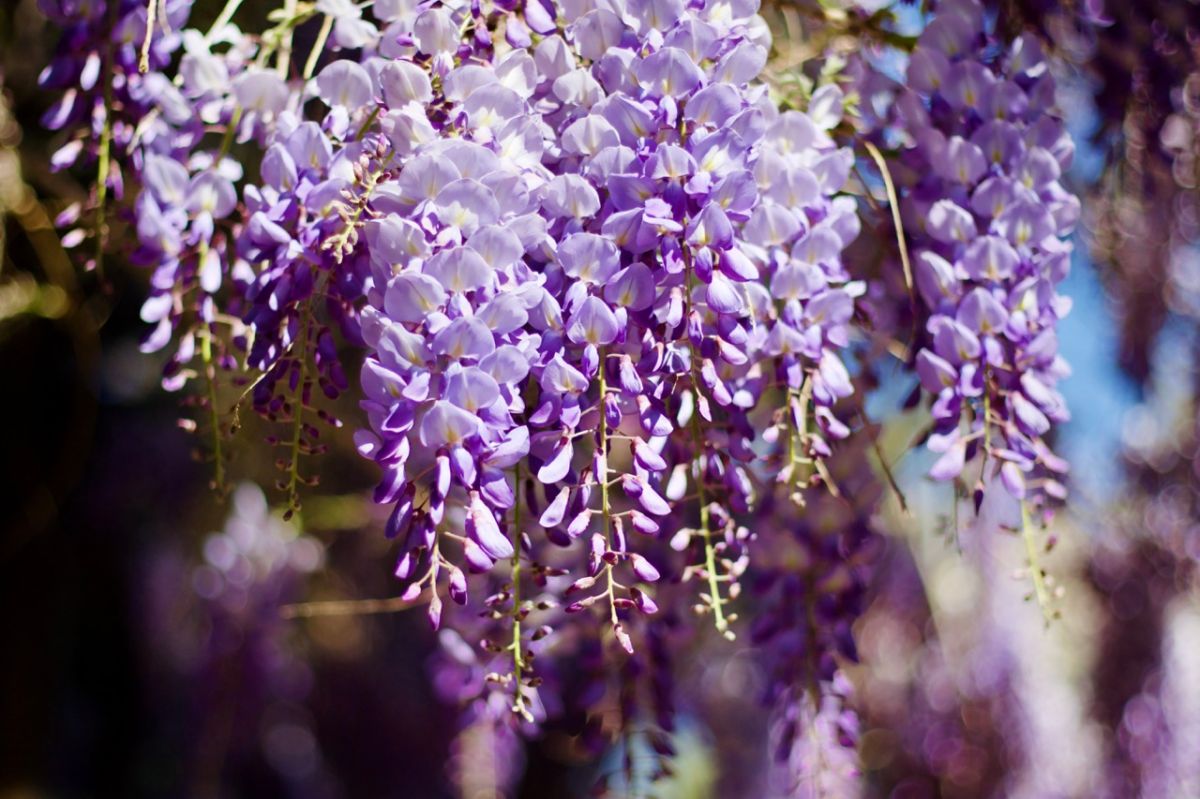
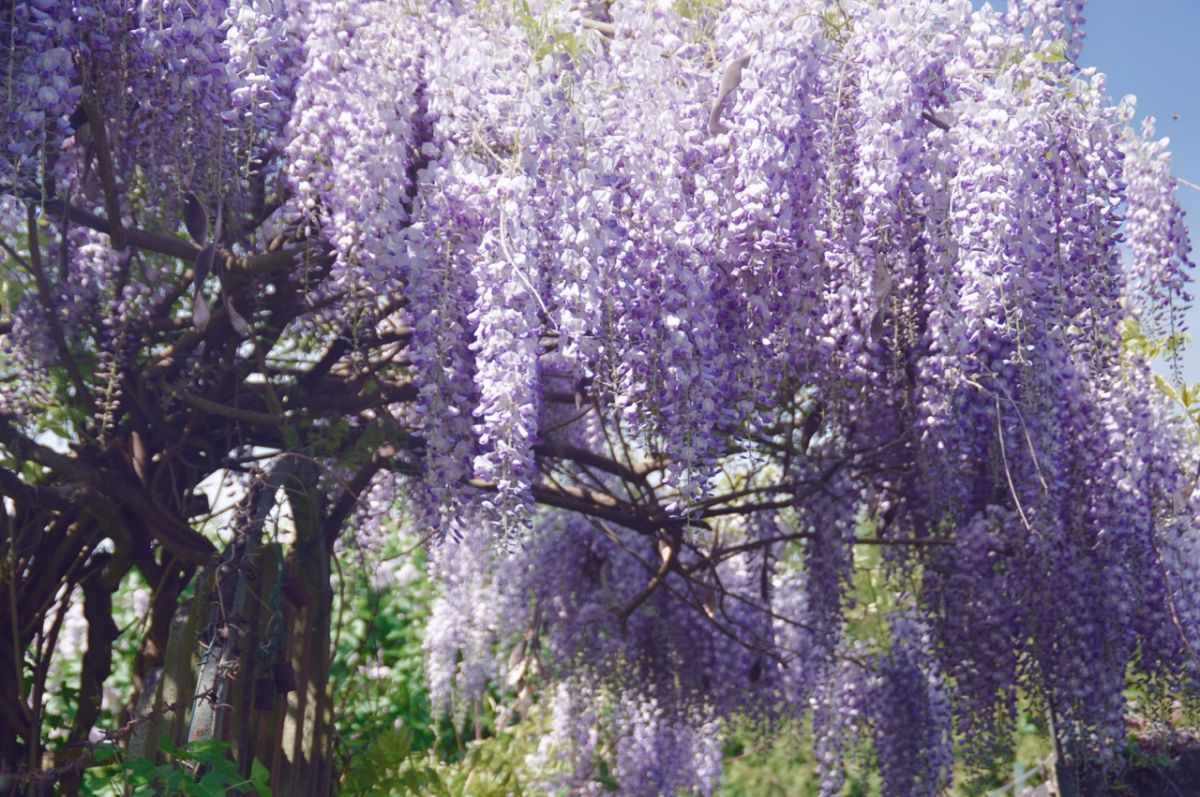
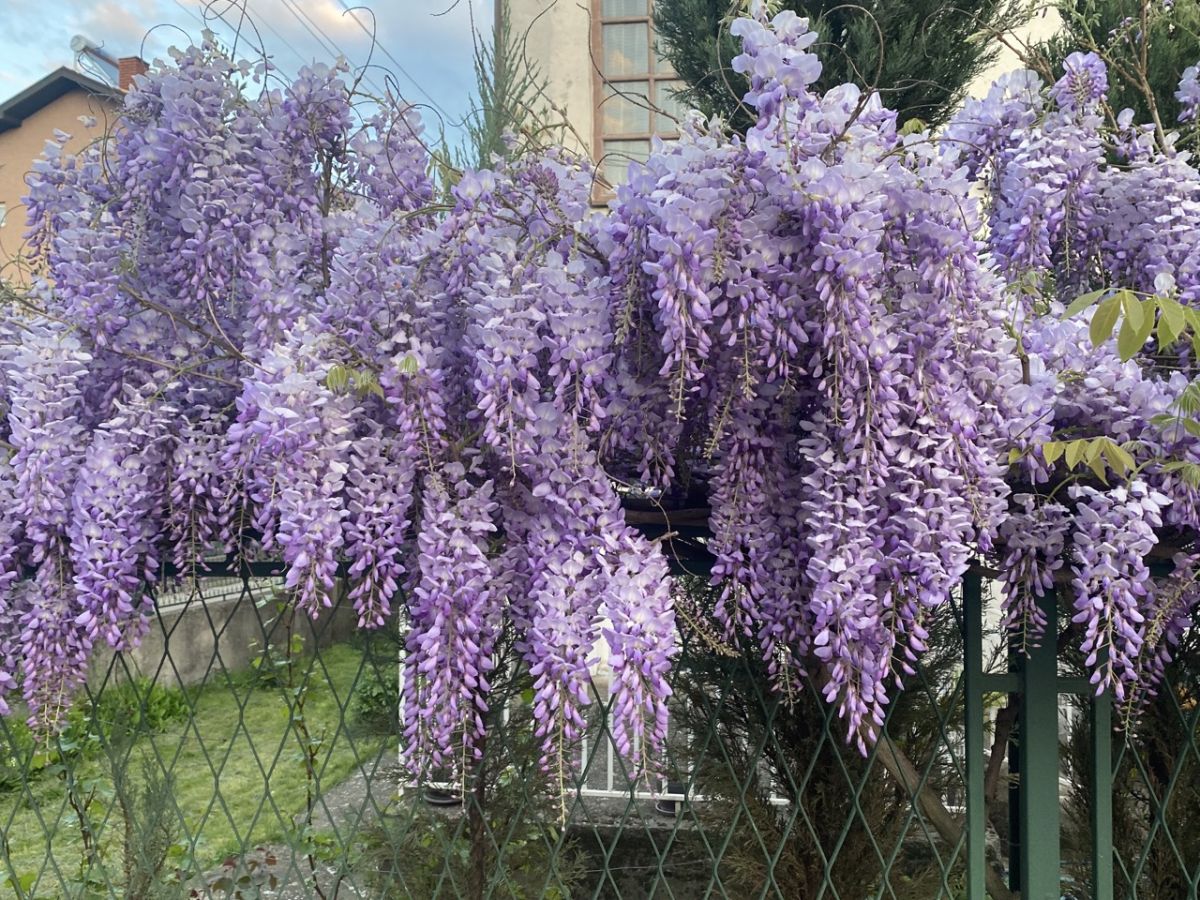
Wisteria is one of the most stunning climbing plants, known for its cascading, showy flowers that create a dreamy, almost magical atmosphere in any garden. When grown under the right conditions and with proper care, it can thrive for many years and produce increasingly abundant blooms over time. However, growing wisteria requires proper guidance, regular pruning, and patience—especially in the early years. In this guide, we cover everything from planting to flowering in detail.
rnWisteria is a sun-loving plant and should be planted in a location that receives at least 6 hours of direct sunlight per day. Insufficient light can reduce or completely prevent flowering.
rnrnWhile it is not overly demanding in terms of soil, it performs best in well-draining, organic-rich soil. Since it is a vigorous climber, the planting area should allow enough space and be suitable for support structures.
rnrnWisteria is a fast-growing climbing plant that requires strong structural support to grow properly.
rnrnIt should be trained on pergolas, trellises, walls, or sturdy metal frameworks. Over time, its woody stems become thick and heavy, so the support system must be durable.
rnrnWith proper training, wisteria can create beautiful shaded areas and visually striking garden features.
rnrnRegular pruning is essential to maintain shape and encourage flowering. Without pruning, wisteria may grow uncontrollably and produce fewer flowers.
rnrnTo promote flowering, fast-growing shoots should be shortened during the summer. This helps redirect the plant’s energy toward flower bud formation.
rnrnWinter pruning focuses on shaping the plant and strengthening its structure. Weak, tangled, or unnecessary branches should be removed to maintain a healthy framework.
rnrnSummer pruning is mainly for controlling growth and guiding the plant. Long shoots are trimmed back to manage size.
rnrnWinter pruning is more focused on structure and strengthening. When both pruning methods are applied correctly, wisteria produces more consistent and abundant blooms.
rnrnWisteria typically blooms in spring. Under favorable conditions, some varieties may produce a second, lighter bloom during summer.
rnrnHowever, the main flowering period usually occurs once a year. The age of the plant also plays an important role—young wisteria plants may take several years before they begin to flower.
rnrnOnce established, wisteria becomes relatively drought-tolerant. However, regular watering is essential during the early growth stages.
rnrnDuring spring and summer, watering should be done when the soil begins to dry out. Overwatering must be avoided, as it can lead to root rot.
rnrnFertilization should be balanced during the growing season. High-nitrogen fertilizers may promote leaf growth but reduce flowering, so fertilizers higher in phosphorus are recommended to encourage blooms.
rnrnWisteria can be grown in pots, but there are certain limitations. Root development is restricted in containers, which may limit growth and flowering compared to plants grown in the ground.
rnrnUsing large pots, ensuring proper drainage, and providing consistent care can support healthy growth in containers. A strong support structure is still necessary.
rnrnCertain parts of the wisteria plant, particularly the seeds, are toxic if ingested. Caution should be taken, especially in households with children and pets.
rnrnWhile contact with the plant is generally harmless, ingestion can lead to health issues. Proper placement in the garden should be considered accordingly.
rnrnWisteria and jade vine are often confused due to their similar hanging flower structures, but they are very different plants.
rnrnWisteria is hardy and well-suited to outdoor environments, while jade vine is a tropical plant that typically requires greenhouse or controlled conditions.
rnrnTheir care requirements and growing environments differ significantly, so they should not be treated the same.
rnrn
rnGrowing wisteria is a rewarding process that delivers spectacular results when guided correctly. With proper sunlight, strong support systems, and consistent pruning, this plant can transform your garden into a breathtaking visual experience.