Relocating a tree in your garden can seriously affect its health if not done correctly. However, with proper timing, the right techniques, and careful aftercare, trees can be safely transplanted and successfully adapt to their new location. Tree relocation is not just a physical move; it is a process of re-establishing the balance between roots, trunk, and environment. Therefore, every step must be carried out carefully and systematically.
rnThe ideal time to relocate trees is during their dormant period, typically in late autumn or early spring. During this time, the tree’s metabolic activity slows down, minimizing stress caused by root loss.
rnrnWhile deciduous trees are generally easier to transplant during dormancy, evergreen species require more careful handling. Extremely hot summer conditions and periods with frost risk should be avoided.
rnrnThe most critical aspect of tree relocation is preserving the root system as much as possible. A wide area around the tree should be carefully dug to prevent damage to the roots.
rnrnRemoving the tree along with the surrounding soil helps it adapt more easily to its new environment. This process should be done patiently, ensuring that the roots remain as intact as possible.
rnrnThe ball-and-burlap method involves removing the tree along with the soil surrounding its roots and wrapping it securely with burlap or similar material.
rnrnThis technique is widely used for medium to large trees, as it minimizes root loss and helps accelerate the tree’s adaptation process in its new location.
rnrnPreparing the new planting area in advance is essential for successful transplantation. The planting hole should be wider and slightly deeper than the root ball to allow roots to spread comfortably.
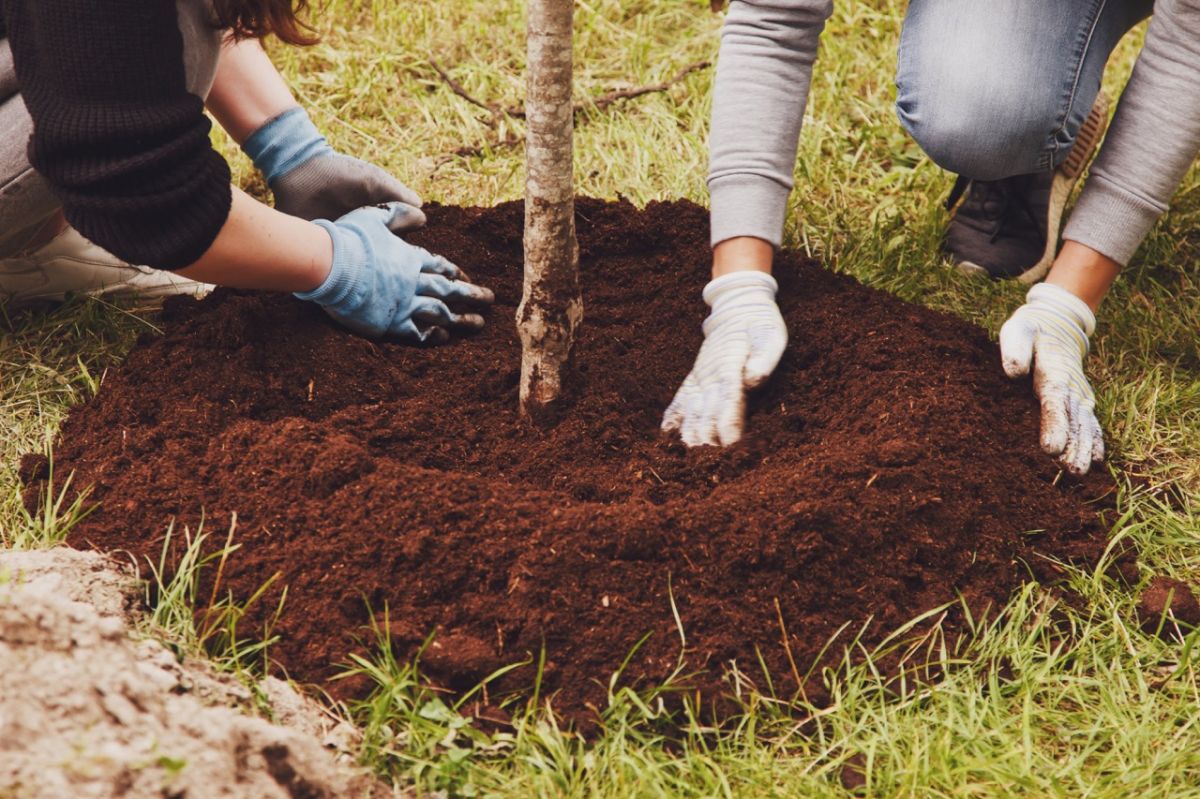
rnrnSoil quality is also crucial. A well-draining, aerated soil rich in organic matter should be preferred. If necessary, the soil can be enriched with compost or organic fertilizers to support root development.
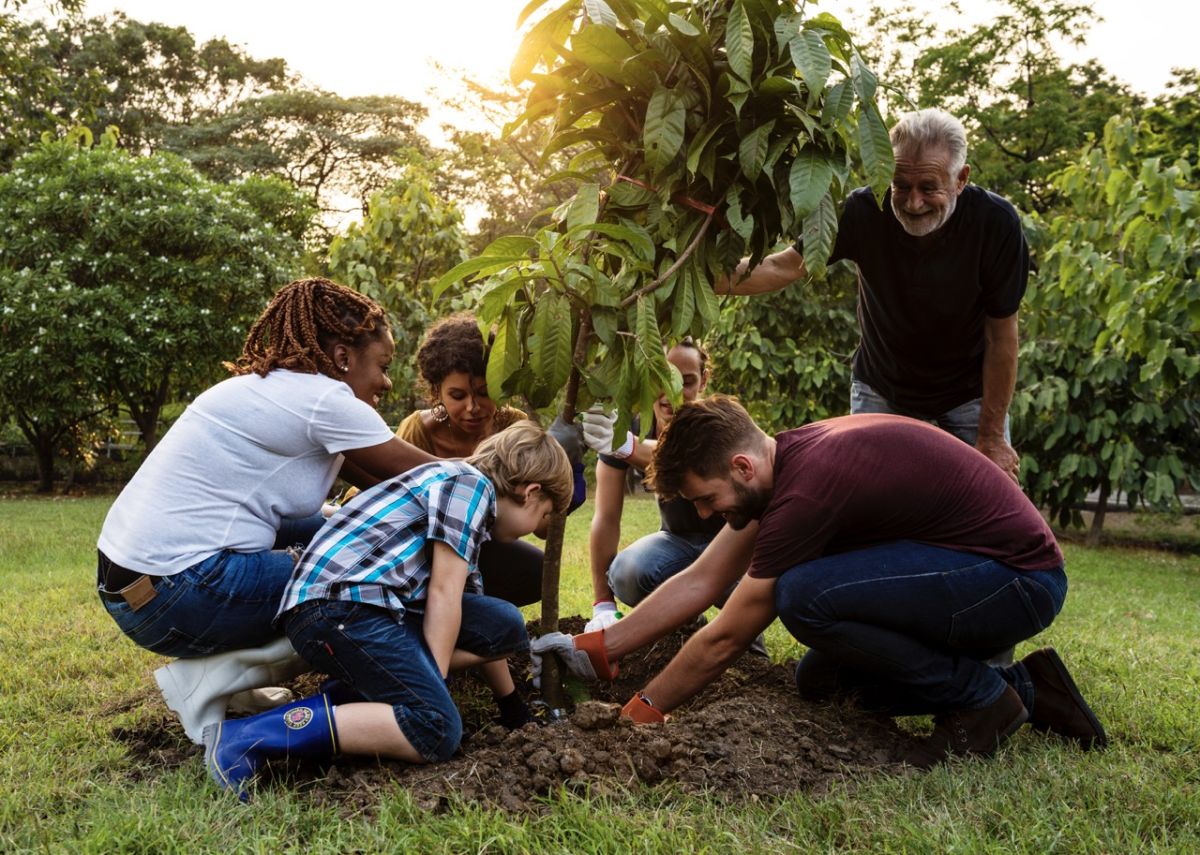
rnrnAfter planting the tree in its new location, the most critical phase begins: the adaptation period. During this time, it is essential to reduce stress and support root establishment.
rnrnRegular watering should be maintained in the first few weeks to keep the soil consistently moist. The tree should also be protected from strong winds and excessive sunlight.
rnrnThe first watering after planting, often referred to as “establishment watering,” is crucial for helping the roots settle into the soil. It reduces air pockets and improves root-to-soil contact.
rnrnDuring the adaptation period, pruning should be avoided, and fertilization should be applied cautiously. It is important to allow the tree enough time to adjust to its new environment.
rnrnRelocating large and mature trees is a complex and high-risk process. Due to their extensive root systems, specialized equipment and expertise are often required.
rnrnAttempting to move large trees without proper tools—such as cranes or tree spades—and professional support can result in severe damage or loss of the tree. Therefore, seeking expert assistance is highly recommended for large-scale tree relocation projects.
rnrnConclusion:
rnTree relocation can be successful when carried out with proper planning and techniques. By protecting the root system, preparing suitable soil conditions, and providing careful aftercare, trees can continue to grow healthily in their new location.