Spending long hours in a work environment can be both physically and mentally exhausting. Office plants bring a natural balance to this intense routine. With the right plant selection, you can create not only a stylish workspace but also an environment that enhances focus, reduces stress, and improves air quality. In this guide, we explore the best plant types for office environments along with practical care tips.
rnOffice plants are more than just decorative elements—they play an important role in improving productivity and well-being. They help create a more natural atmosphere, increasing motivation and comfort.
rnrnThe color green has a calming effect on the mind. A workspace enriched with plants can increase concentration and reduce stress levels. This is especially beneficial for tasks that require sustained focus.
rnrnPlants can absorb sound waves and reduce echo, helping to create a quieter and more comfortable working environment. In open-plan offices, they act as natural sound barriers.
rnrnNot all office spaces receive abundant natural light. Therefore, it is important to choose plants that can adapt to low-light conditions.
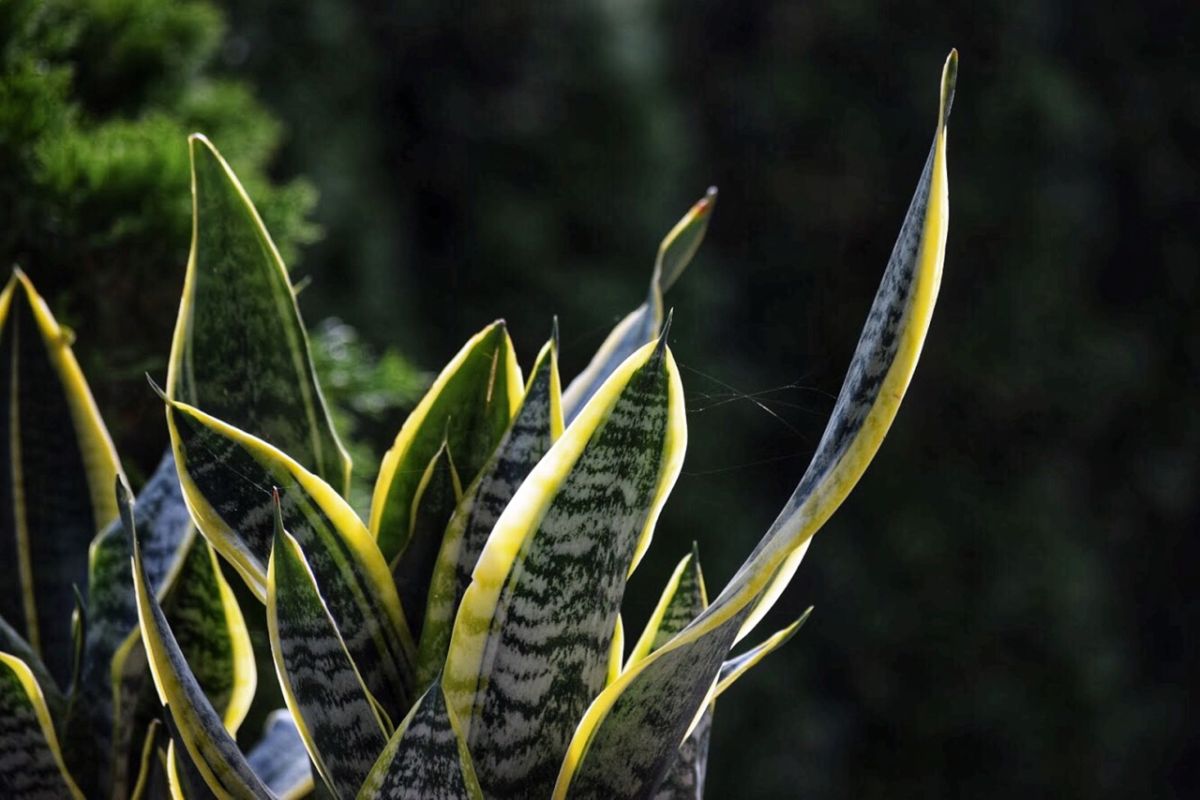
rnrnThe snake plant is one of the most durable indoor plants. It can survive in low light and requires minimal watering. It is also known for its air-purifying qualities.
rnrnThe ZZ plant is highly tolerant and requires very little maintenance. It adapts well to low-light conditions and can withstand periods of drought.
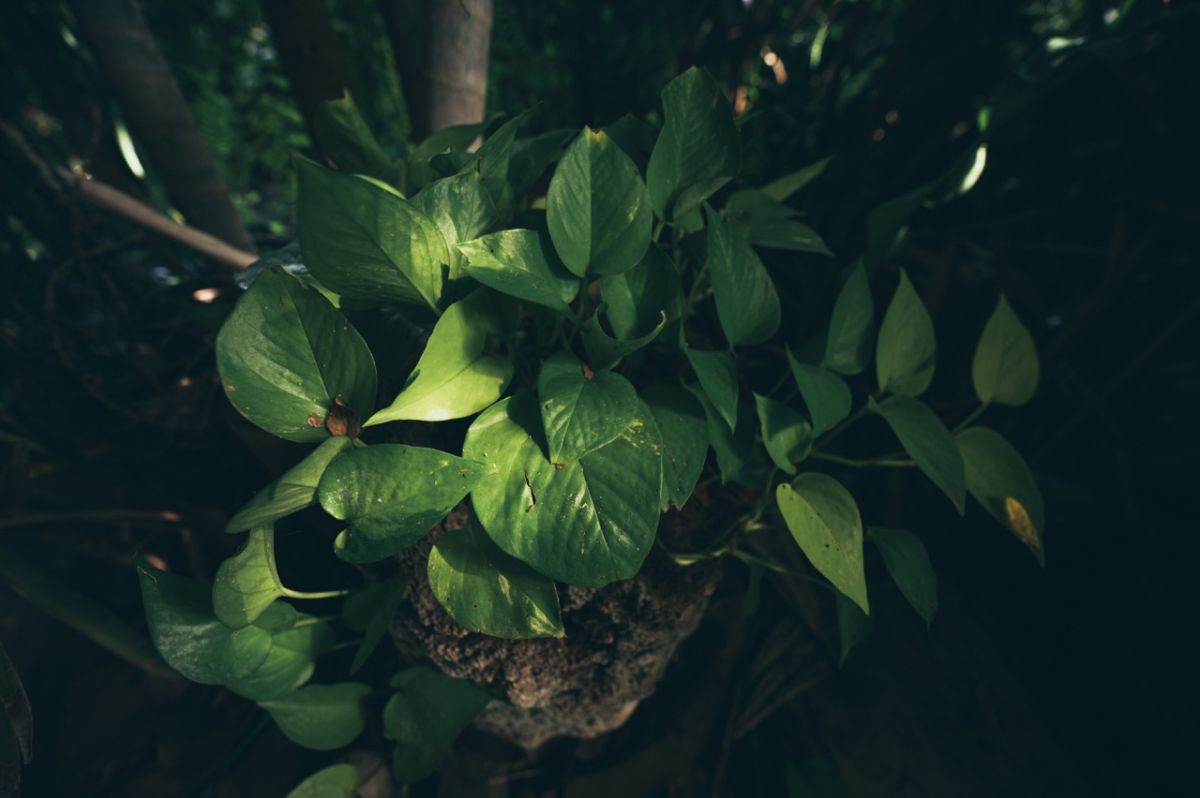
rnrnPothos is a versatile plant with a trailing growth habit. It is easy to care for and adapts well to different lighting conditions.
rnrnAspidistra is known for its exceptional durability. It can thrive even in challenging conditions and is ideal for low-light environments.
rnrnPlants placed on desks should be compact, low-maintenance, and visually appealing.
rnrnHaworthia is a small succulent with a stylish appearance, perfect for desks. It requires minimal care and adds a modern aesthetic.
rnrnCacti require very little water and come in various shapes, making them a decorative and practical choice for busy workspaces.
rnrnLucky bamboo is both decorative and symbolic. It can be grown in water and is extremely easy to maintain, making it ideal for office desks.
rnrnAir quality is crucial in office environments. Certain plants help filter harmful substances and create a healthier indoor atmosphere.
rnrnThe peace lily is well known for its air-purifying properties and elegant white flowers. It adds both beauty and functionality to office spaces.
rnrnThe spider plant is easy to care for and highly effective at improving indoor air quality. It is a great option for enclosed spaces.
rnrnDracaena marginata offers a sleek, modern look with its slender leaves. It also contributes to better air quality.
rnrnThe areca palm brings a tropical feel to the office and helps maintain humidity levels. It is especially suitable for larger spaces.
rnrnMaintaining office plants requires a simple but consistent care routine.
rnrnTo prevent plants from drying out during extended breaks, watering schedules should be planned in advance. Depending on the plant type, automated watering systems can also be used.
rnrnDust accumulation on leaves can block light and reduce photosynthesis. Regularly cleaning the leaves helps plants stay healthy and vibrant.
rnrn
rnOffice plants not only enhance the visual appeal of a workspace but also contribute to productivity and well-being. With the right plant choices and proper care, it is possible to create a more balanced and motivating work environment.