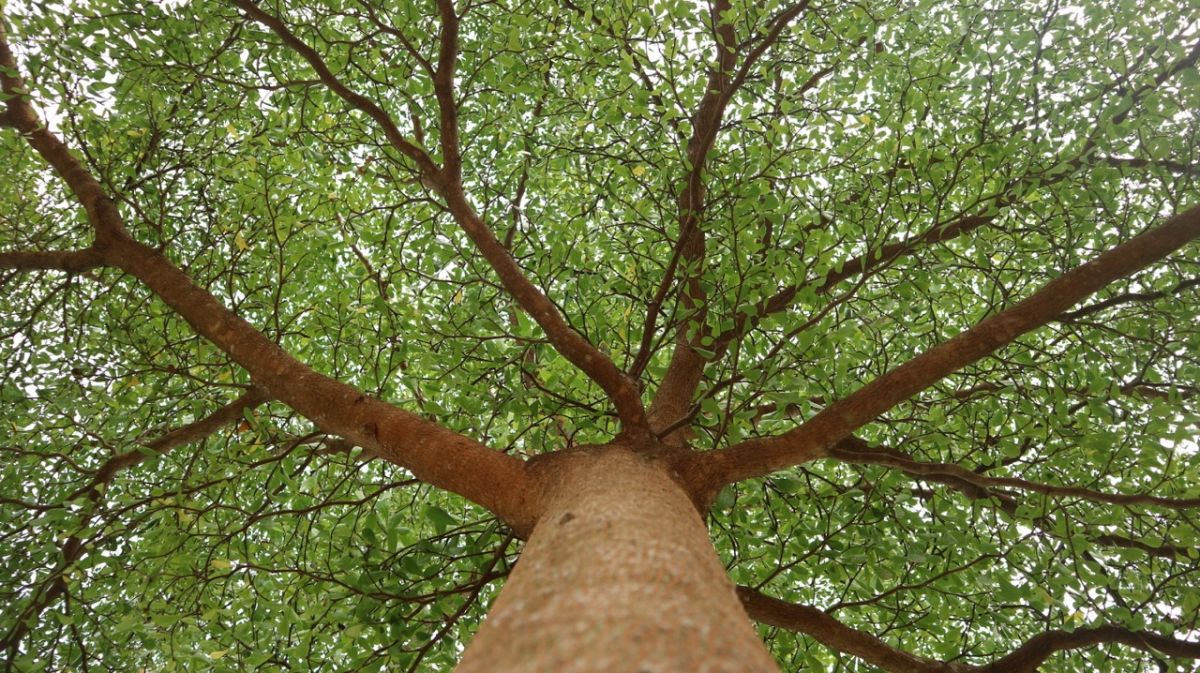
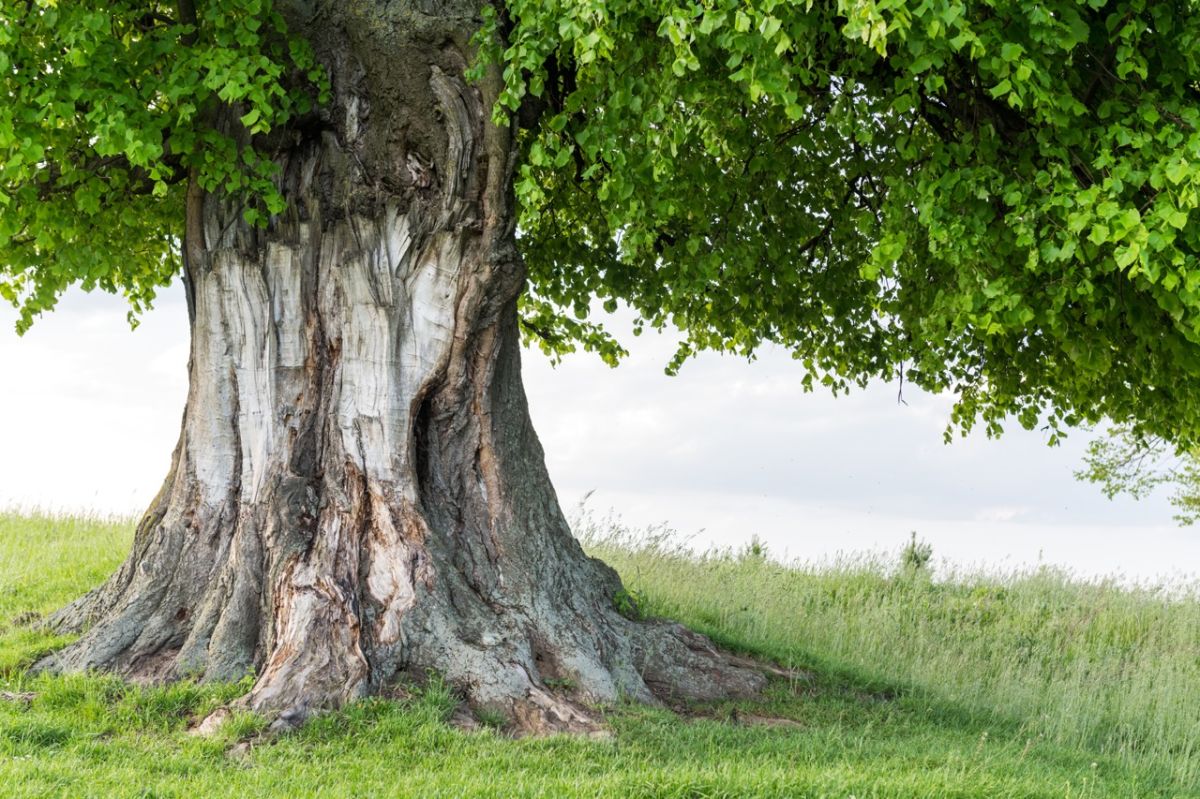
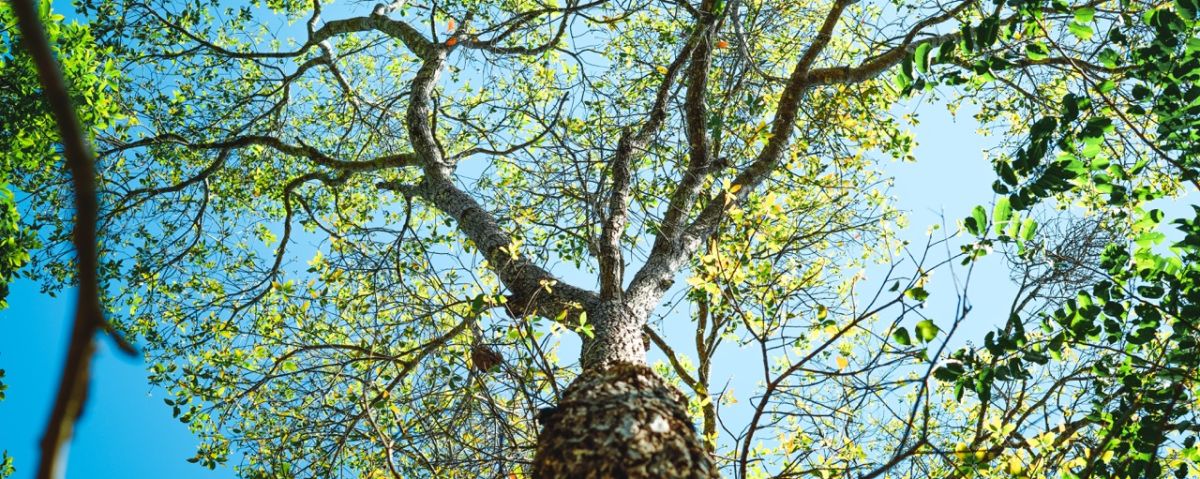
The plane tree is one of the most iconic trees in landscape design, known for its massive trunk, wide canopy, and remarkable longevity. Commonly used in parks, city squares, roadways, and large gardens, plane trees stand out not only for their visual impact but also for their environmental and cultural significance. In this guide, you will find comprehensive information about the plane tree’s characteristics, growing conditions, care requirements, benefits, and main species.
The plane tree belongs to the Platanus genus and includes large, deciduous tree species with broad leaves. Renowned for their long lifespan, plane trees can live for several centuries under suitable conditions and often reach monumental sizes, making them true natural landmarks.
Key botanical features of plane trees include:
These characteristics make plane trees both highly resilient and visually dominant elements in landscape design.
Plane trees naturally thrive near rivers and water sources but can adapt well to urban environments when proper conditions are provided.
Plane trees generally require:
They grow particularly well in areas with consistent soil moisture.
Plane trees perform best in temperate climates and show high tolerance to both cold winters and hot summers. This adaptability allows them to be used across a wide range of geographic regions.
With appropriate care, plane trees can remain healthy and structurally sound for many decades.
The ideal planting period for plane trees is autumn or early spring. Due to their expansive canopy and root system, sufficient space should be allocated around the tree. Planting in confined areas may cause structural and maintenance issues in later years.
Excessive fertilization should be avoided.
Common issues affecting plane trees include leaf spot diseases, fungal infections, and certain insect pests. Regular monitoring and timely use of biological or appropriate chemical treatments help keep these problems under control.
Beyond its aesthetic appeal, the plane tree offers numerous environmental and cultural benefits.
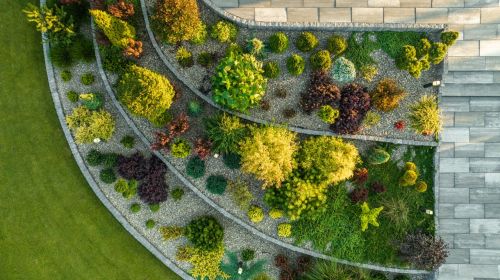
Thanks to its broad leaves and wide canopy, the plane tree provides extensive shade, making it ideal for parks, public squares, and pedestrian areas. In landscape design, it adds scale, structure, and a sense of permanence. For professional applications, landscape project design and implementation solutions can be explored.
Plane trees play a significant role in improving urban air quality by:
These benefits make them valuable assets in city ecosystems.
In many cultures—particularly in Turkish history—the plane tree symbolizes strength, continuity, and deep-rooted heritage. The term “monumental plane tree” reflects its enduring presence in public memory, especially in historical sites dating back to the Ottoman era.
There are several well-known species of plane trees, each with distinct characteristics.
The most common plane tree species in Türkiye, known for its large leaves, impressive size, and exceptional longevity.
Native to North America, this species is recognized for its massive trunk and rapid growth.
A hybrid of the Oriental and American plane trees, widely used in urban landscapes due to its high tolerance to pollution and city conditions.