Seasonal transitions are one of the most sensitive periods for plants. Changes in temperature, daylight duration, and humidity directly affect plant metabolism. Without proper care during these transitions, plants can become stressed, slow their growth, and become more vulnerable to diseases. In this guide, we explain step by step how to support your plants during spring and autumn transitions.
rnAfter a period of dormancy in winter, plants enter an active growth phase in spring. Proper care during this transition sets the foundation for healthy development throughout the season.
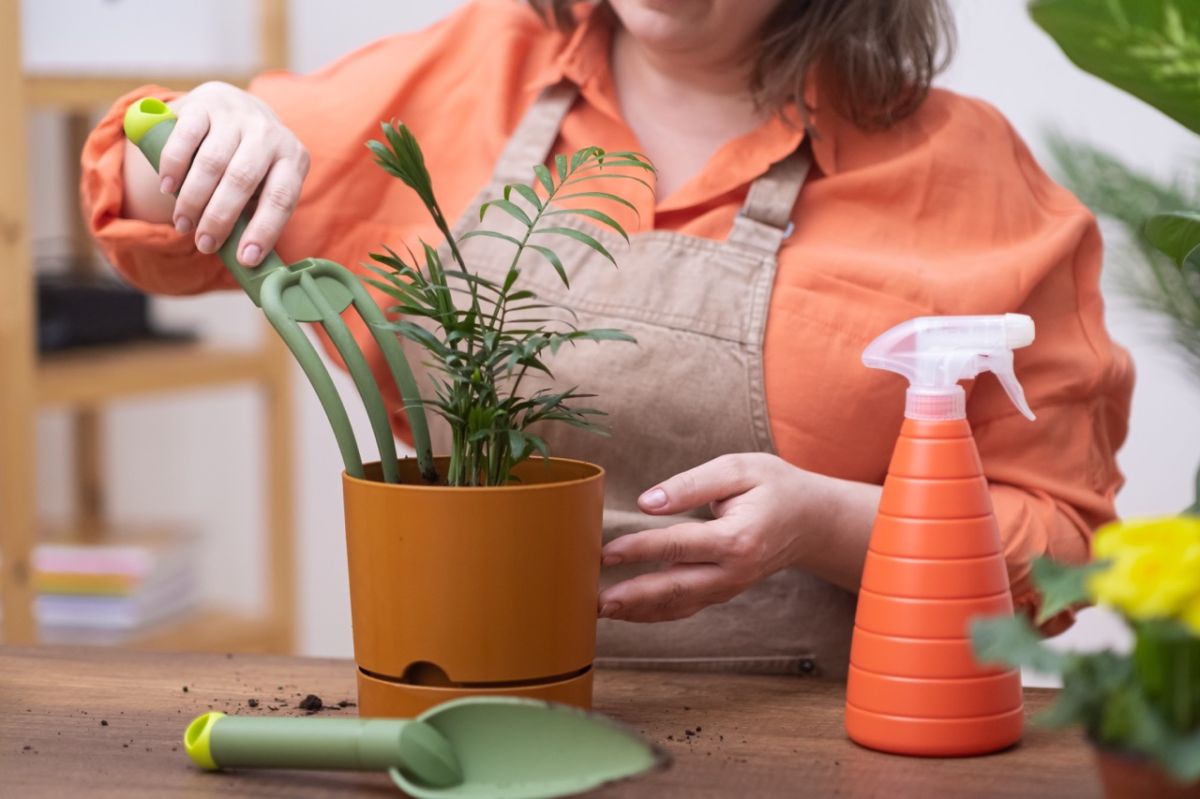
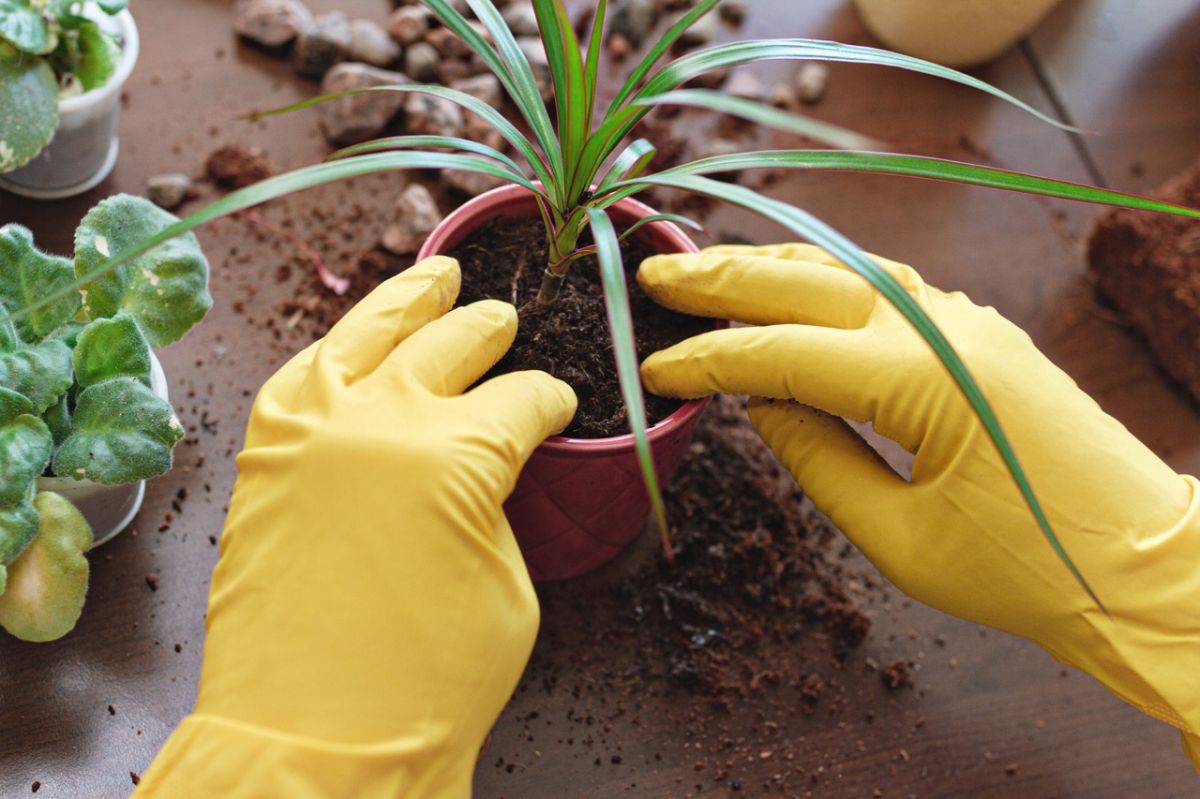
rnrnSpring is the ideal time for repotting and soil renewal. Over time, compacted soil restricts root aeration. Fresh, nutrient-rich soil helps stimulate plant growth.
rnrnAs plants become more active, their nutrient needs increase. A balanced fertilization program supports healthy growth. However, over-fertilization should be avoided.
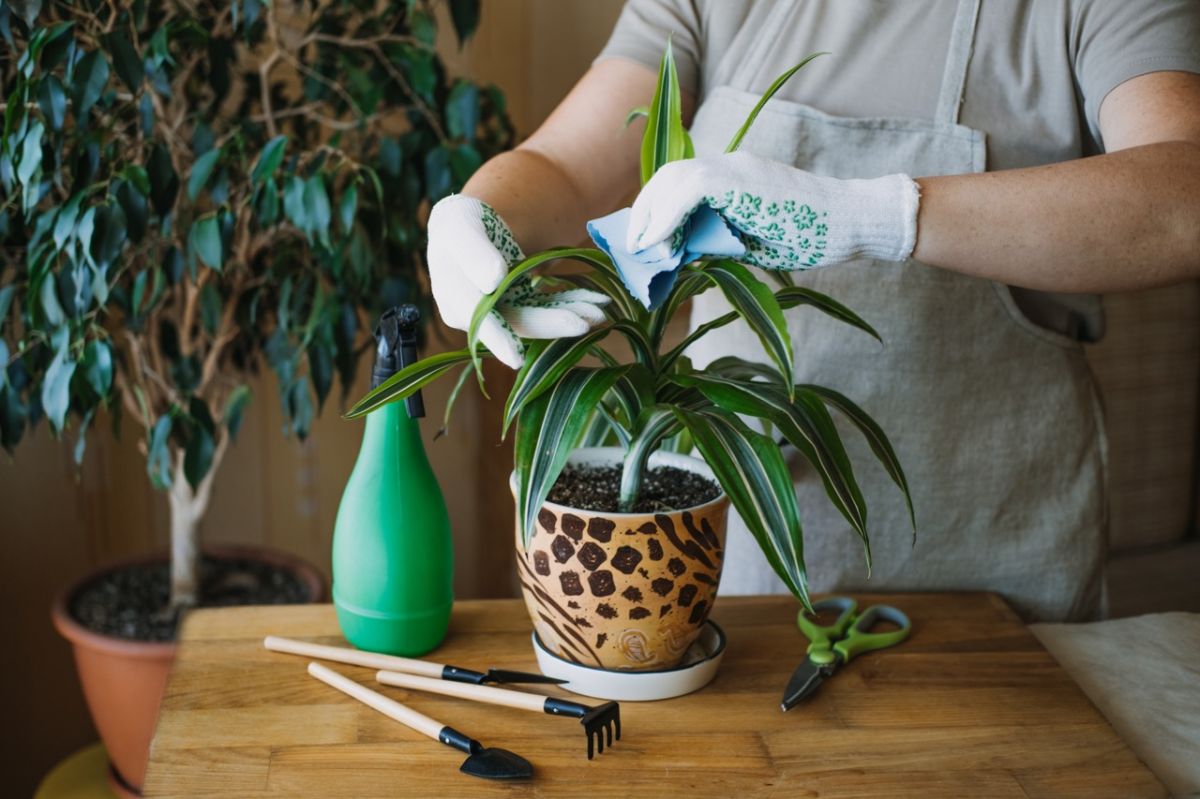
rnrnCleaning up damaged or dead leaves and branches helps the plant redirect its energy to new growth. This also reduces the risk of disease.
rnrnSome plants are more sensitive to seasonal transitions and require special attention.
rnrnHydrangeas benefit from proper pruning for better blooming. Soil pH levels also directly influence flower color.
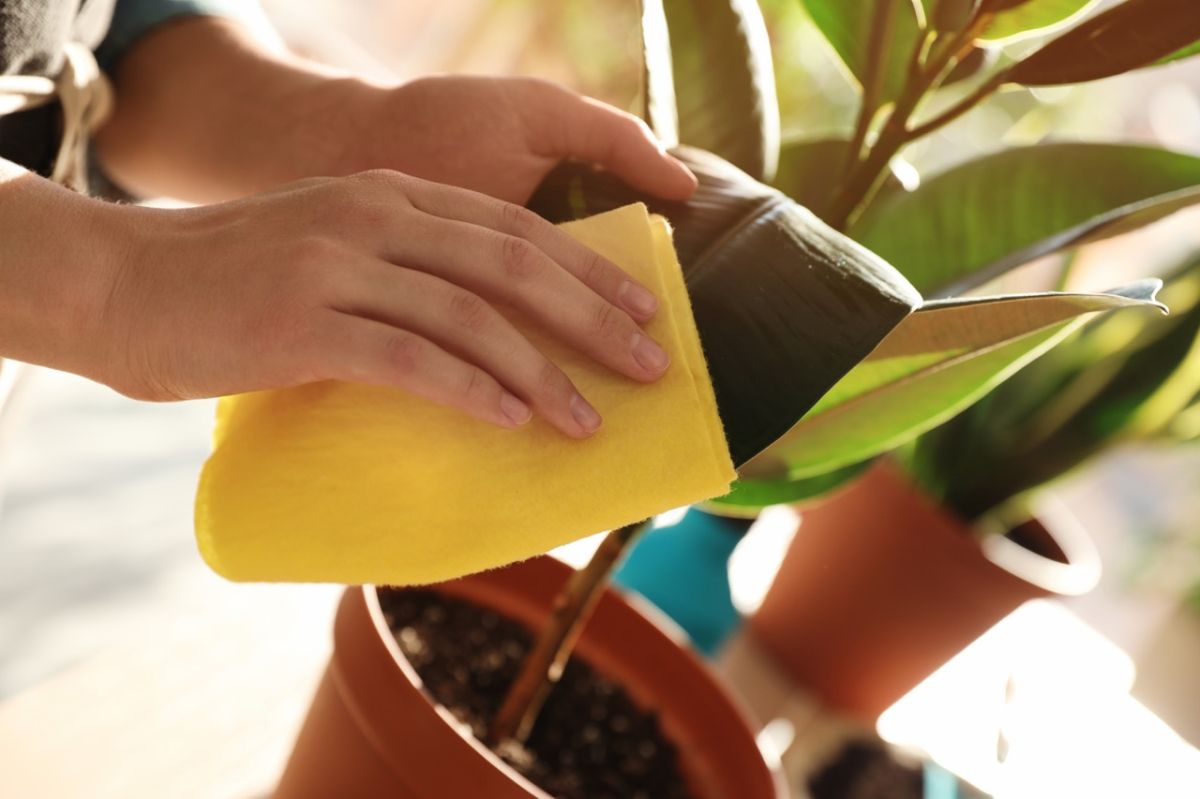
rnrnRubber plants tend to collect dust on their large leaves. Regular cleaning and proper light positioning are essential.
rnrnAloe vera requires different watering schedules depending on the season. Watering frequency should increase in spring, but overwatering must be avoided.
rnrnAfrican violets are sensitive to sudden temperature changes. A stable indoor environment is key to healthy flowering.
rnrnLemon trees should be moved carefully between indoor and outdoor environments. Sudden changes can cause stress.
rnrnAutumn is the time to prepare plants for winter. Proper preparation increases their resistance to cold weather.
rnrnAs nighttime temperatures drop, sensitive plants should be moved indoors. This transition should be gradual.
rnrnPlants require less water in autumn. Watering should be reduced gradually while maintaining a balanced routine without letting the soil completely dry out.
rnrnPlant health depends not only on watering but also on environmental conditions.
rnrnIndoor heating systems reduce humidity levels, which can lead to leaf drying and drop. Using humidifiers or placing water containers nearby can help maintain moisture.
rnrnSudden temperature fluctuations can stress plants. Those placed near windows are especially affected by these changes.
rnrnPruning is essential for maintaining plant shape and promoting healthy growth.
rnrnShaping pruning is done to maintain the plant’s appearance, while rejuvenation pruning encourages older plants to produce new, vigorous growth.
rnrnUsing proper tools and making clean cuts are crucial for plant health.
rnrn
rnProper care during seasonal transitions ensures that plants remain healthy and strong throughout the year. Small but timely actions can make a significant long-term difference.