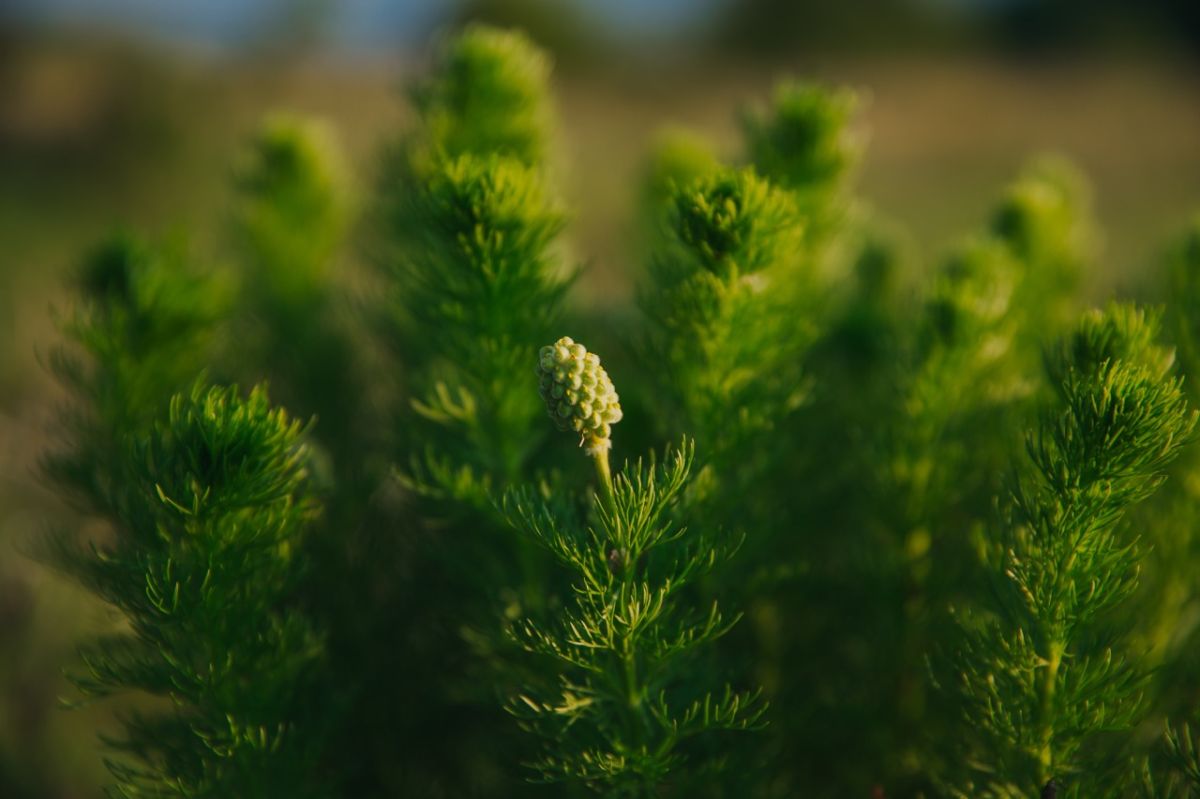
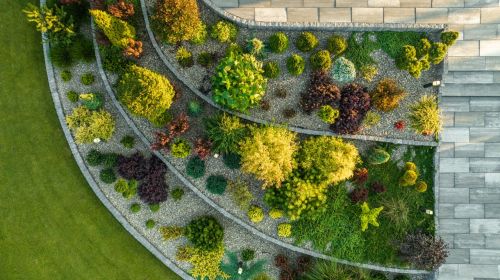
Evergreen trees play a vital role in landscape design by providing continuity, comfort, and visual balance throughout all four seasons. By retaining their foliage year-round, these trees offer multiple functional benefits—from privacy screening and wind protection to shading and ecological support. As a result, they are essential elements in both private gardens and large-scale public landscapes.
Evergreen trees are plant species that maintain their foliage throughout the year and do not experience seasonal leaf drop. This group includes conifers such as pine, spruce, and cedar, as well as broadleaf evergreens like bay laurel, magnolia, and cherry laurel. Their ability to remain green during winter months helps preserve visual vitality and structure in the landscape.
One of the most common applications of evergreen trees in landscape design is creating privacy and visual barriers.
Dense evergreen species with compact foliage effectively block unwanted views from adjacent properties. They are widely used in residential gardens, villa landscapes, and site boundaries to create secluded and comfortable outdoor spaces while maintaining a natural aesthetic.
When used instead of solid walls or fences, evergreen trees create softer, more organic boundaries. These living green walls integrate seamlessly with the surrounding environment and provide long-lasting, low-maintenance solutions. For more information on integrated planting strategies, see our guide on landscape project design and implementation.
Evergreen trees contribute significantly to environmental comfort beyond visual benefits.
Strategically planted rows of evergreen trees function as effective windbreaks in exposed areas. By reducing wind speed, they help minimize heat loss and create more comfortable microclimates for both people and plants.
Thanks to their dense branching and foliage structure, evergreen trees absorb and deflect environmental noise. They are particularly effective along roadsides, residential developments, and urban zones where sound pollution is a concern.
When properly planned, evergreen trees can also enhance thermal comfort and energy efficiency.
Evergreen trees with broad canopies provide consistent shade for seating areas, playgrounds, and walkways. This makes outdoor spaces more usable and comfortable, especially during warmer months.
Planted near building façades—particularly on the south and west sides—evergreen trees help filter direct sunlight and reduce indoor temperatures. This natural shading decreases reliance on air conditioning and contributes to energy savings.
Evergreen trees form the backbone of many landscape compositions.
Unlike deciduous plants, evergreen trees maintain their color and texture throughout the year. This prevents landscapes from appearing bare or lifeless during winter and ensures visual continuity across seasons.
Evergreens are frequently used along pathways, driveways, and entrance axes to create a sense of direction and order. When used as standalone specimens, they also serve as strong focal points that enhance spatial perception. For projects requiring fast visual impact, selecting species from fast-growing tree varieties can be highly effective.
Evergreen trees benefit not only people but also the surrounding ecosystem.
These trees provide year-round shelter, nesting sites, and protection for birds and other wildlife. Their persistent foliage creates secure habitats even during harsh winter conditions.
With their strong root systems, evergreen trees help prevent soil erosion and stabilize slopes. This makes them especially valuable in areas with uneven terrain or erosion risks, supporting long-term landscape sustainability.
With proper species selection and placement, evergreen trees offer low-maintenance landscape solutions. Reduced leaf litter, minimal pruning requirements, and efficient water use make them cost-effective choices—particularly for large-scale projects. For these reasons, evergreen trees are fundamental components of sustainable, long-lasting landscape strategies.