In urban living, balconies are often limited in space. However, with proper planning and vertical gardening solutions, even the smallest balconies can be transformed into lush, green living areas. Vertical gardening maximizes space by using vertical surfaces instead of horizontal ones, offering both aesthetic and functional landscaping benefits. In this guide, we explore practical vertical garden systems, plant recommendations, and care techniques specifically for small balconies.
rnThe main goal of vertical gardening is to make the most of available space. Balcony walls, railings, and unused surfaces can be turned into active green areas with the right systems.
rnrnFelt planters and modular panel systems are among the most practical vertical gardening solutions. Their lightweight structure allows easy wall installation and enables multiple plants to grow together.
rnrnThese systems are especially suitable for herbs and small flowering plants.
rnrnWooden pallets offer a sustainable and cost-effective vertical gardening solution. They can be mounted on walls and filled with pots or directly converted into soil-based planting systems.
rnrnThis method provides a natural aesthetic while supporting eco-friendly practices.
rnrnClimbing and trailing plants create the most visually striking effects in vertical gardens. They cover surfaces and add a natural, flowing texture to balcony spaces.
rnrnWisteria is an ideal climbing plant with stunning cascading flowers. With proper support, it can create a dramatic visual impact on balconies.
rnrnBoston ivy stands out with its vibrant leaf colors, especially in autumn. It spreads quickly on vertical surfaces and beautifully reflects seasonal transitions.
rnrnHedera helix is a hardy, evergreen plant that maintains its green appearance throughout the year. Its low maintenance makes it a popular choice for vertical gardens.
rnrnBougainvillea adds warmth and color with its vibrant blooms. It thrives in sunny locations and creates a lively atmosphere.
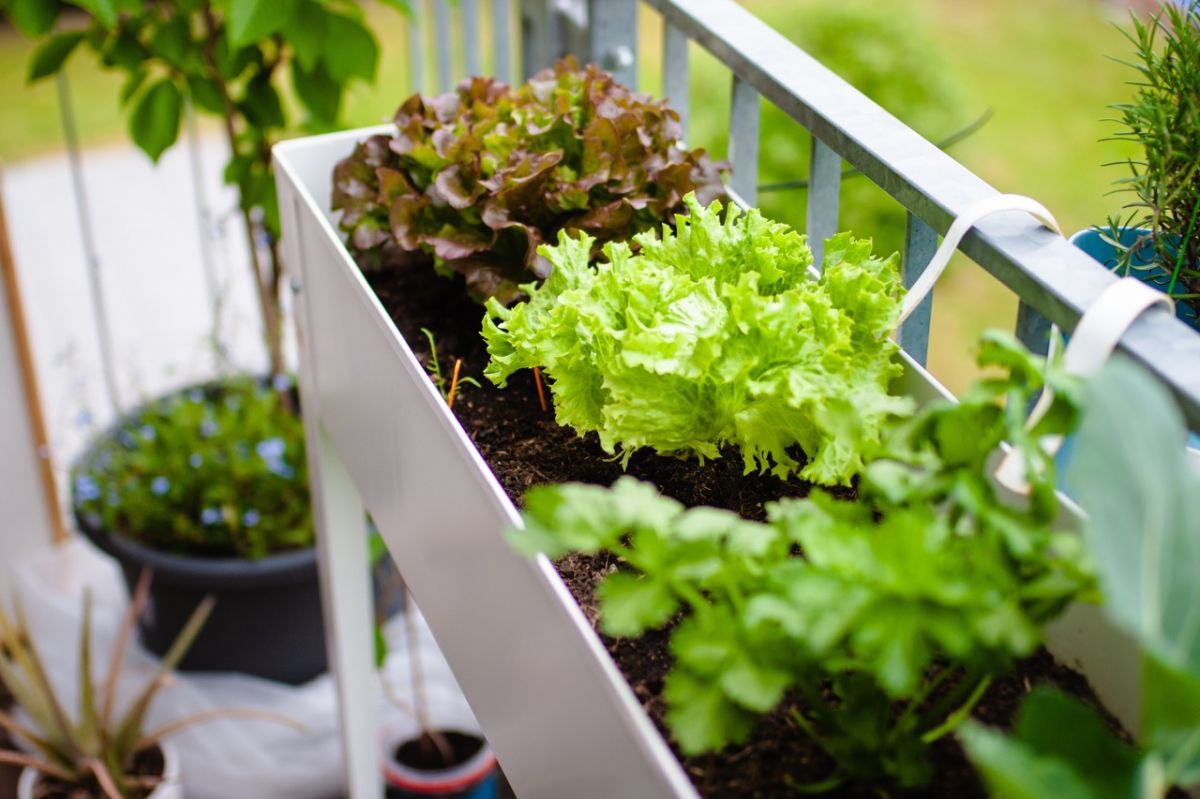
rnrnVertical gardening is not only decorative but also highly productive. Growing vegetables on small balconies becomes much easier with vertical systems.
rnrnStrawberries grow well in hanging planters, offering both visual appeal and delicious yields.
rnrnCherry tomatoes can be trained to grow upward using vertical stakes, saving space while maintaining an organized look.
rnrnGrapevines provide natural shade and edible leaves commonly used in traditional cuisine. They are well-suited for vertical growth.
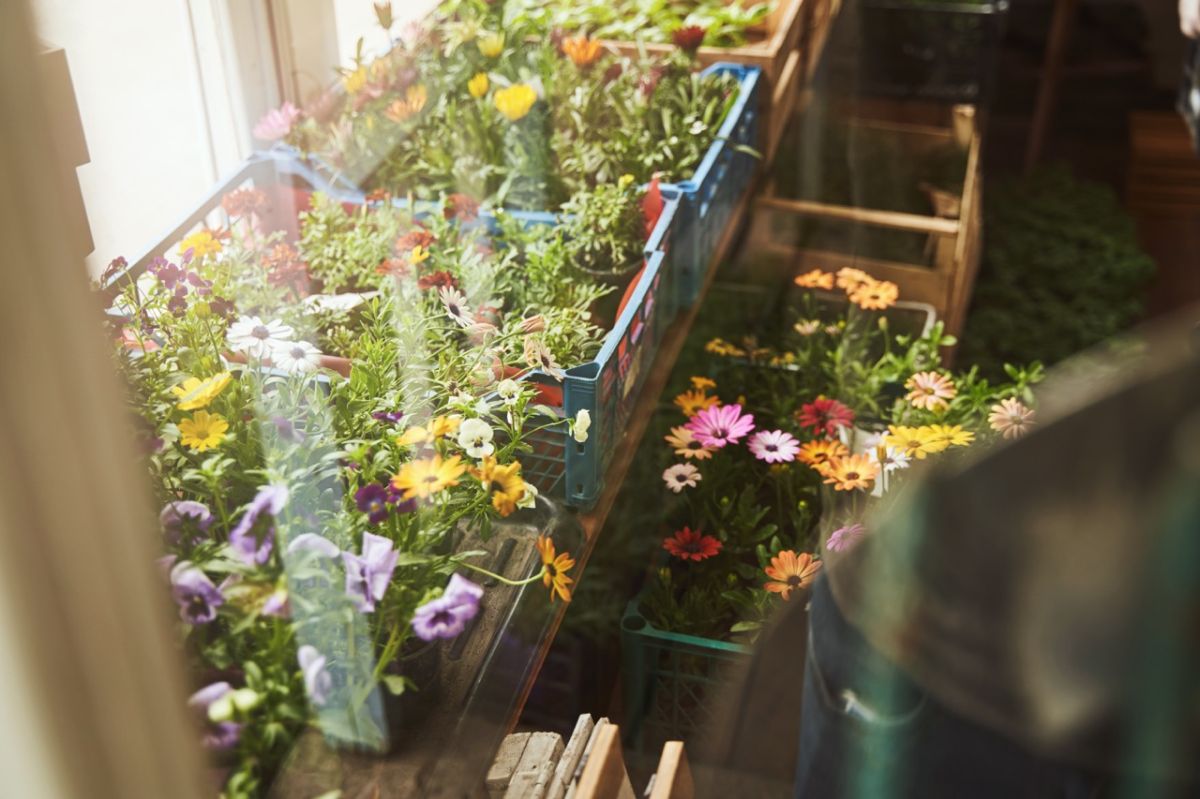
rnrnFlowering plants add color and vibrancy to balconies. When used in vertical systems, they create a stunning visual display.
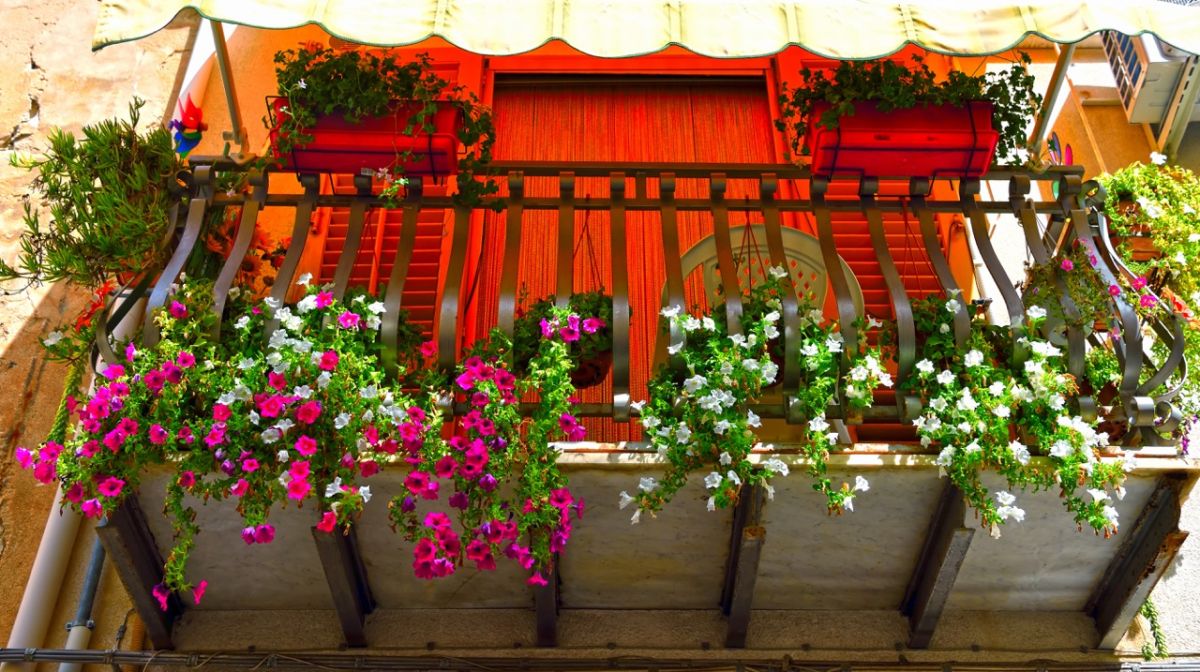
rnrnPetunias are widely preferred for their trailing form and vibrant color variety.
rnrnFuchsia plants stand out with their delicate and decorative flowers. They thrive in partially shaded areas.
rnrnGeraniums are known for their durability and long-lasting blooms, making them a timeless choice for balconies.
rnrnJasmine enhances balcony spaces with its pleasant fragrance, especially in the evening. Its climbing habit makes it ideal for vertical use.
rnrnProper water and nutrient management is essential for maintaining a healthy vertical garden.
rnrnDrip irrigation systems deliver water directly to the roots, ensuring efficient water use and balanced hydration.
rnrnLiquid fertilizers are a practical solution for vertical gardens. Regular application supports rapid and healthy plant growth in compact areas.
rnrn
rnVertical gardening is one of the most effective ways to transform small balconies into functional, aesthetic, and sustainable green spaces. With the right plant selection and system design, even limited spaces can become vibrant and inspiring environments.