Rapid urbanization, increasing construction density, and population growth have made contact with nature more important than ever in city life. At this point, green space is not merely an aesthetic element; it is a fundamental component of healthy, livable, and sustainable cities. From parks and gardens to green roofs and urban corridors, green spaces directly influence the quality of urban life.
The question “What is a green space?” is a fundamental starting point for anyone interested in urban planning and landscape design. In its simplest definition, a green space refers to open areas dominated by vegetation where people can interact with nature.
So, what does green space mean?
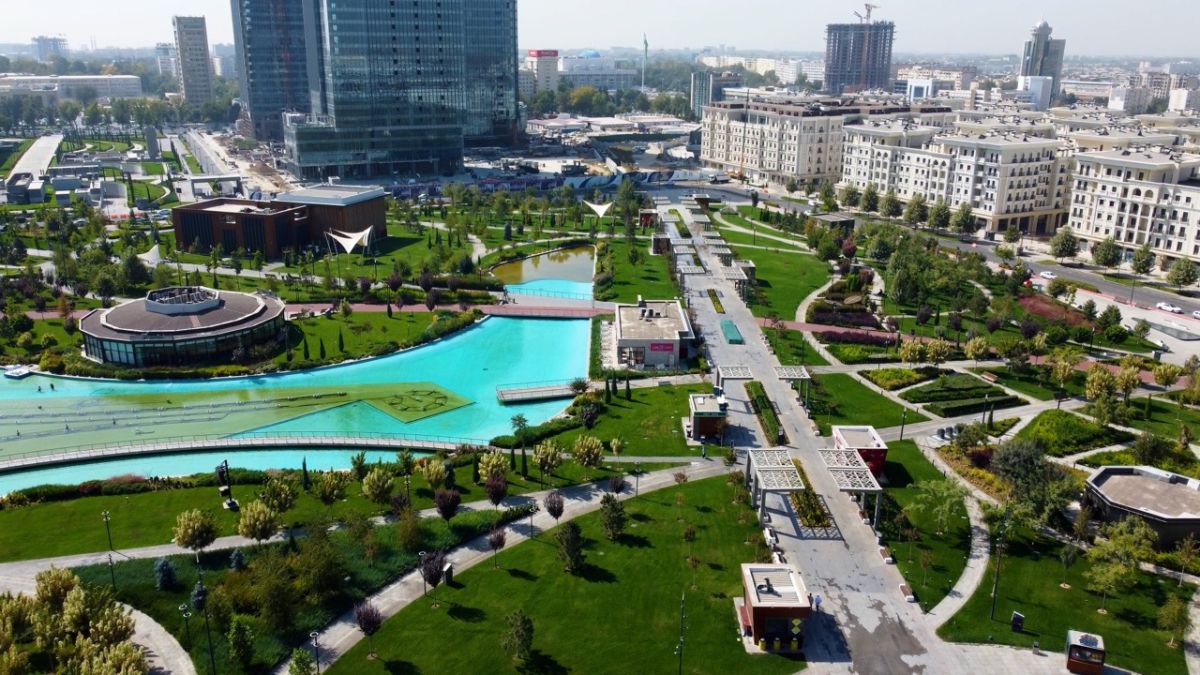
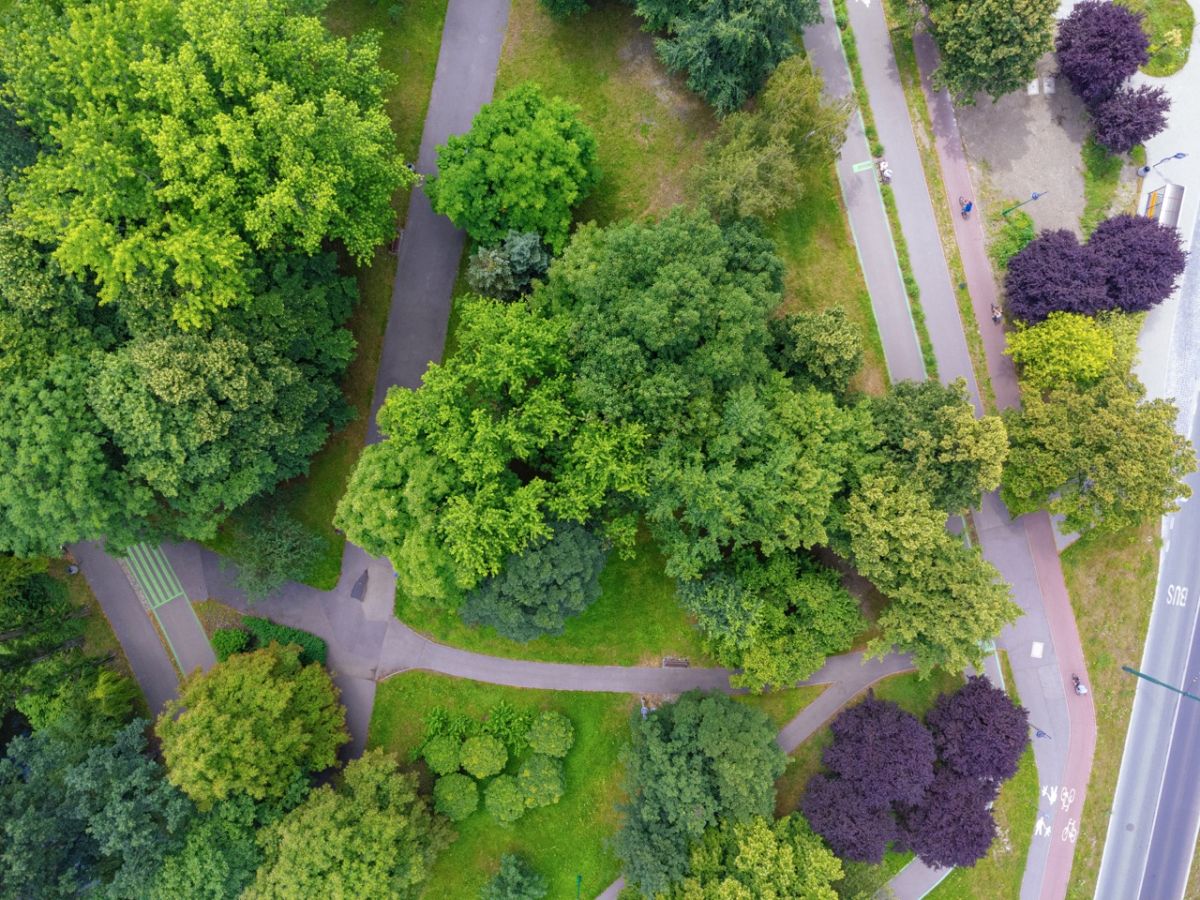
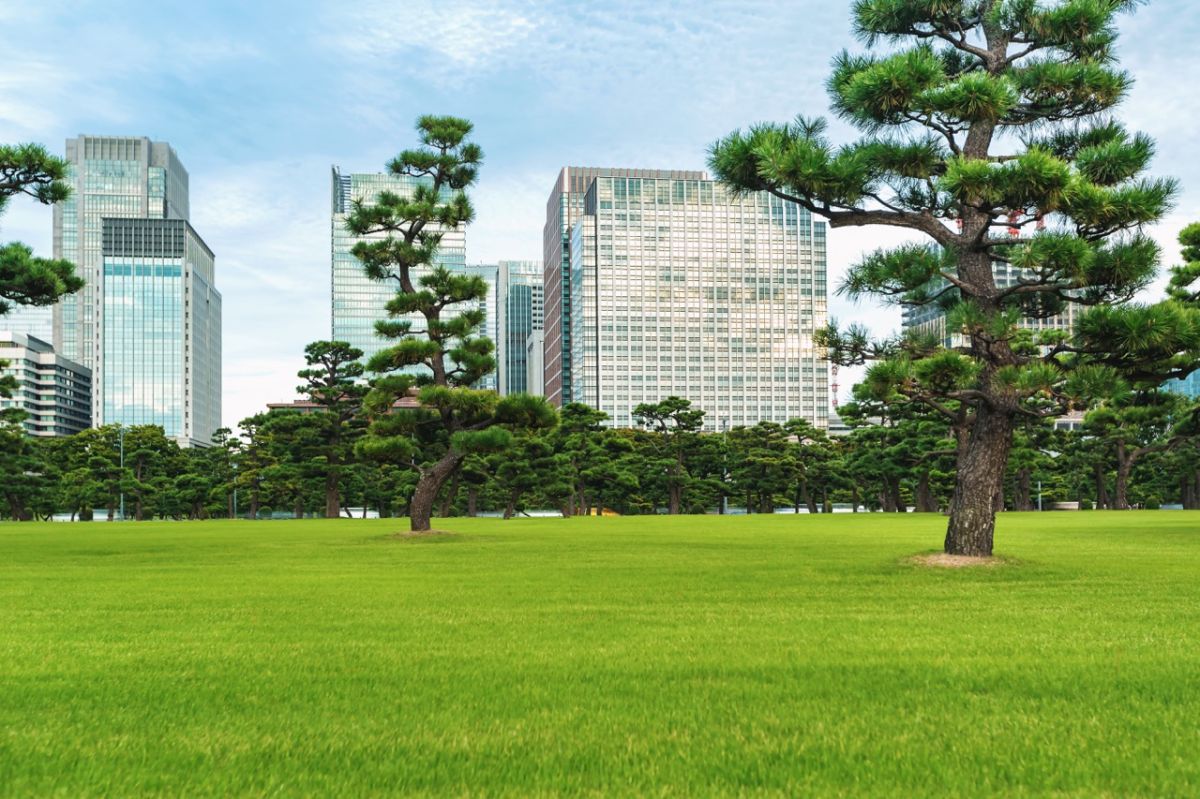
Green space is a broad concept that includes parks, gardens, groves, recreational areas, green roofs, and even vegetated roadside strips. These areas offer not only visual relief but also ecological, social, and psychological functions.
The need for green space in urban life continues to increase. Dense construction and vehicle traffic bring problems such as air pollution and urban heat island effects. Green spaces play a critical role in mitigating these issues.
The importance of green spaces in cities can be summarized as follows:
Improve air quality
Reduce urban temperatures and create microclimates
Decrease noise pollution
Encourage social interaction and physical activity
Reduce stress and provide psychological comfort
Therefore, the question what is a green space is directly related not only to spatial planning but also to health and quality of life.
There are various green space types with different functions in cities and residential areas. This diversity allows green spaces to be used more effectively in planning processes.
Main types of green spaces include:
Parks and recreational areas: Public-use open spaces
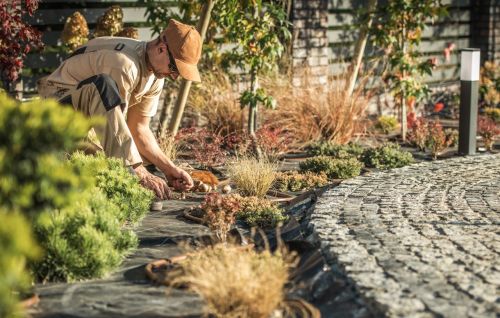
Neighborhood and residential gardens: Green areas integrated into daily life
Urban groves and natural areas: Spaces supporting ecosystem continuity
Green roofs and vertical gardens: Solutions for high-density built environments
Roadside and median plantings: Areas that ensure green continuity within cities
Each of these represents different scales of the answer to what does green space mean.
In urban planning, green space is not merely a filler element but a strategic component that balances the built environment. Well-planned green spaces allow cities to breathe.
The role of green spaces in urban planning includes:
Balancing building density
Supporting natural water cycles
Increasing biodiversity
Revitalizing social life
In this context, what is a green space should be considered one of the cornerstones of sustainable urbanism.
Successful green space planning goes beyond simple planting. Ecological and technical factors must be considered together.
Key points to consider in green space planning:
Proper plant selection: Species suitable for local climate and soil conditions should be chosen.
Water management: Rainwater harvesting and efficient irrigation systems should be used.
Ecological balance: A sustainable relationship between plants, soil, and living organisms should be established.
Maintenance processes: Long-term maintenance requirements should be taken into account.
These elements show that what does green space mean includes not only present needs but also future sustainability.
Cem Botanik approaches the concept of green space not merely as an aesthetic solution but as a sustainable environmental strategy. Through green infrastructure solutions, eco-friendly planting, and innovative applications, it aims to strengthen the natural fabric of cities.
Especially green roof systems offer an effective solution for green space needs in high-density urban areas. These systems provide thermal insulation while contributing to urban ecosystems.
https://cembotanik.com/yesil-cati
In summary, what is a green space, what does green space mean, and the role of green space in urban life are indispensable for healthy, balanced, and livable cities. Properly planned and sustainably managed green spaces shape not only today’s cities but also those of the future.
For cities in harmony with nature, green spaces are not a choice—they are a necessity.