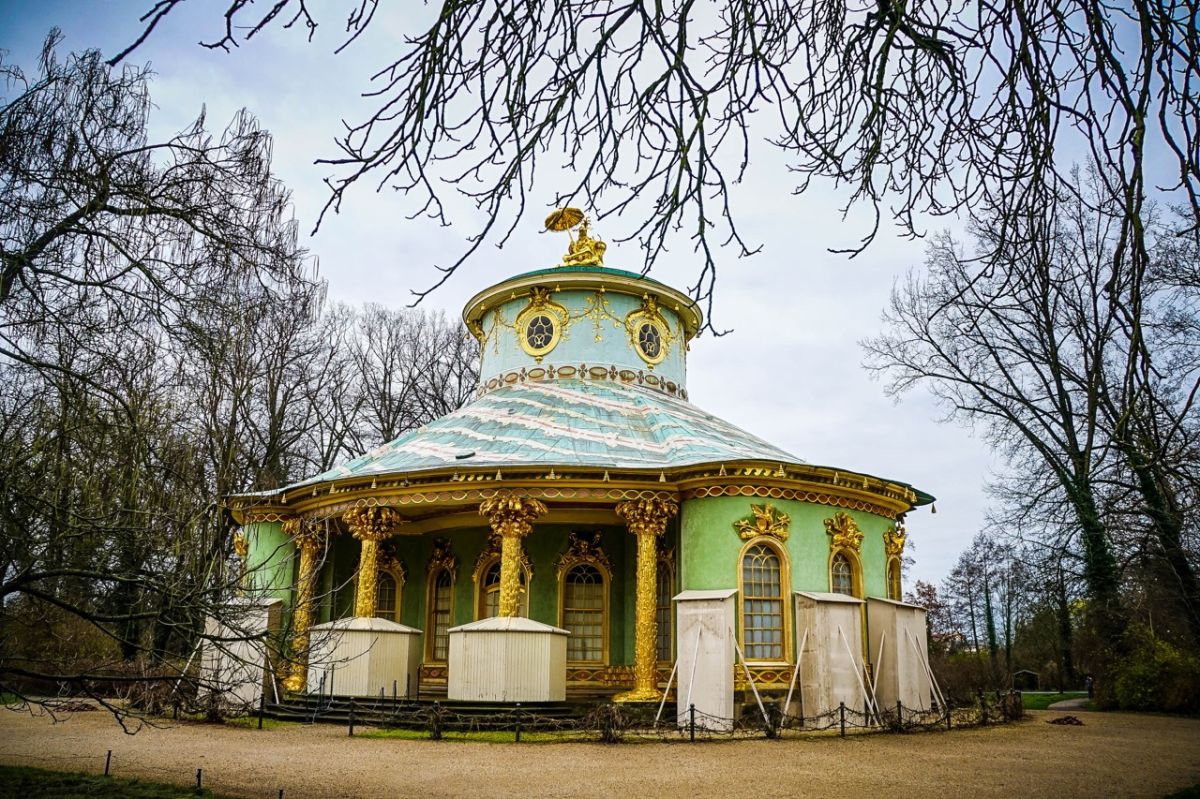
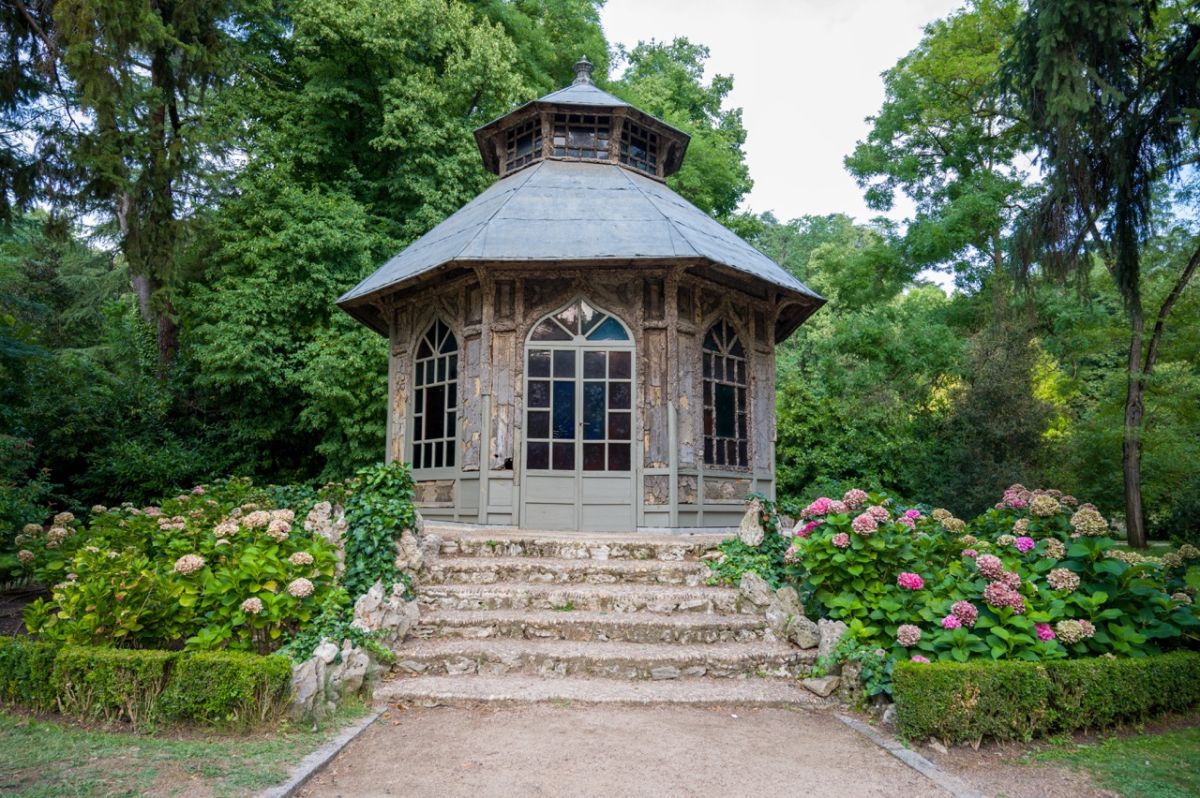
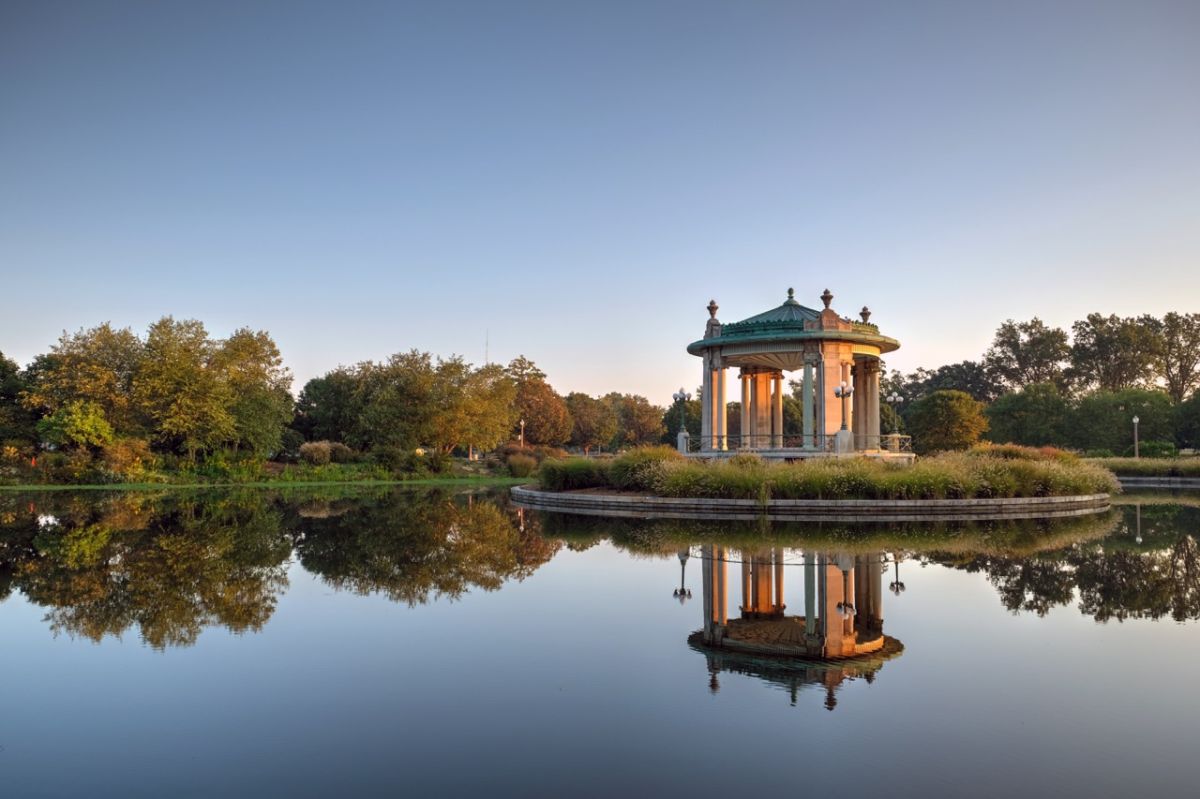
Pavilions are special architectural structures that represent lightness, openness, and a strong connection with nature. Historically emerging as temporary structures, pavilions have evolved into both permanent and symbolic architectural elements in contemporary design. Especially in projects integrated with landscape, a pavilion functions as a balanced transitional space between architecture and nature.
The question “What is a pavilion?” is frequently encountered by those interested in architecture and landscape design. A pavilion is generally defined as an open or semi-open, independent, lightweight structure that establishes a direct relationship with its surroundings.
In terms of definition, what is the meaning of pavilion can be explained as a complementary or sometimes temporary architectural structure. Pavilions are often positioned independently from the main building and are designed to place the user in direct contact with the environment. In this sense, a pavilion represents an architectural typology that prioritizes open-space experience over enclosed interiors.
The question what is a pavilion in architecture becomes clearer when examined through historical development. The word “pavilion” derives from the Latin word papilio (butterfly), symbolizing lightness, elegance, and temporariness.
Throughout history, pavilions have been used as:
Especially in 18th and 19th century European garden designs, pavilions became aesthetic focal points of the landscape. During this period, what is the meaning of pavilion extended beyond a structure to represent an experiential space.
Today, the question what is a pavilion in architecture is reinterpreted through modern design approaches. Pavilions are no longer only temporary structures; they are now designed as permanent, functional, and symbolic architectural elements.
In modern architecture, pavilions are commonly used as:
In these contexts, a pavilion provides both shelter and direct contact with nature. Therefore, what is a pavilion in modern architecture can be described as a “controlled interpretation of open space.”
One of the strongest qualities of pavilion design is its direct relationship with nature. Through open facades, permeable surfaces, and lightweight structures, pavilions are perceived as extensions of the surrounding landscape.
At this point, what is the meaning of pavilion gains not only an architectural but also an ecological dimension. Pavilions are designed to:
Frame natural views
Allow wind, light, and water elements to flow through the space
Pavilions designed together with water features significantly enhance spatial experience. In this context, pavilions integrated with biological ponds create strong examples of natural and architectural unity.
https://cembotanik.com/biyolojik-golet
Pavilions are not merely aesthetic objects; they are also functional spaces. They provide shade, serve as gathering points, and act as transitional zones within landscapes. Thus, a pavilion becomes an active component of landscape design.
An important answer to what is a pavilion in architecture emerges here: the pavilion represents one of the purest relationships between architecture and landscape. When considered together with hardscapes, planting, water elements, and topography, pavilions support spatial continuity.
Cem Botanik approaches pavilion designs not as isolated structures but as integral elements of a holistic design process. In projects where landscape, water features, and architectural elements are considered together, pavilions help create environments that harmonize with nature.
Especially pavilions designed alongside biological ponds, natural stone surfaces, and planting schemes offer a balance of aesthetics, function, and ecology. Within this approach, the question what is a pavilion is answered not as a single structure, but as a complete spatial experience.
In summary, the answers to what is a pavilion, what is a pavilion in architecture, and what is the meaning of pavilion clearly demonstrate why these structures hold an important place in architectural design. With their lightweight forms, strong relationship with open space, and landscape-integrated designs, pavilions have become indispensable elements of modern architecture.
For projects seeking harmony with nature while offering aesthetic and functional spaces, pavilions provide a timeless and powerful solution.