One of the most fundamental ways to understand nature is to understand plants. The sustainability of life on Earth largely depends on the existence of plants and their roles within ecosystems. At this point, botany stands out as one of the core disciplines that examines nature from a scientific perspective. So, what is botany, why is plant science so important, and in which areas of daily life do we encounter it?
At its most basic definition, the question what is botany science refers to the branch of science that studies plants. Botany examines the origin, structure, growth processes, reproduction methods, and environmental relationships of plants.
The answer to what is botany is not limited to theoretical knowledge. Botany science:
Studies the life cycles of plants,
Investigates species diversity,
Examines their roles within ecosystems using scientific methods.
In this respect, botany is one of the key disciplines for understanding and protecting nature.
The origins of botany date back to the earliest periods when humans began observing nature. In ancient times, plants were mainly studied as sources of food and medicine, and over time, botany evolved into a systematic scientific discipline.
In Ancient Greece, Theophrastus is considered the founder of modern botany. During the Middle Ages, medicinal plants were at the forefront, while in the Renaissance and later periods, botanical classifications were placed on scientific foundations. Today, the question what is botany science refers to a multidisciplinary field intertwined with genetics, ecology, and environmental sciences.
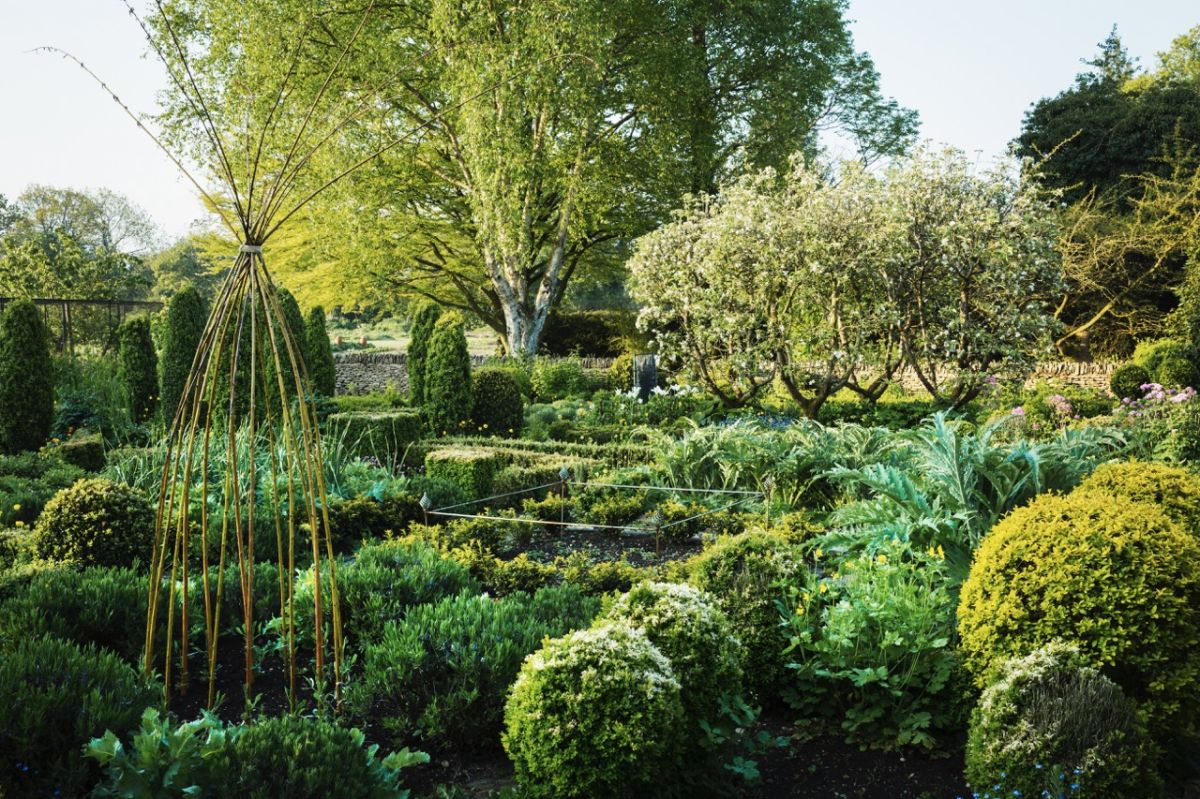
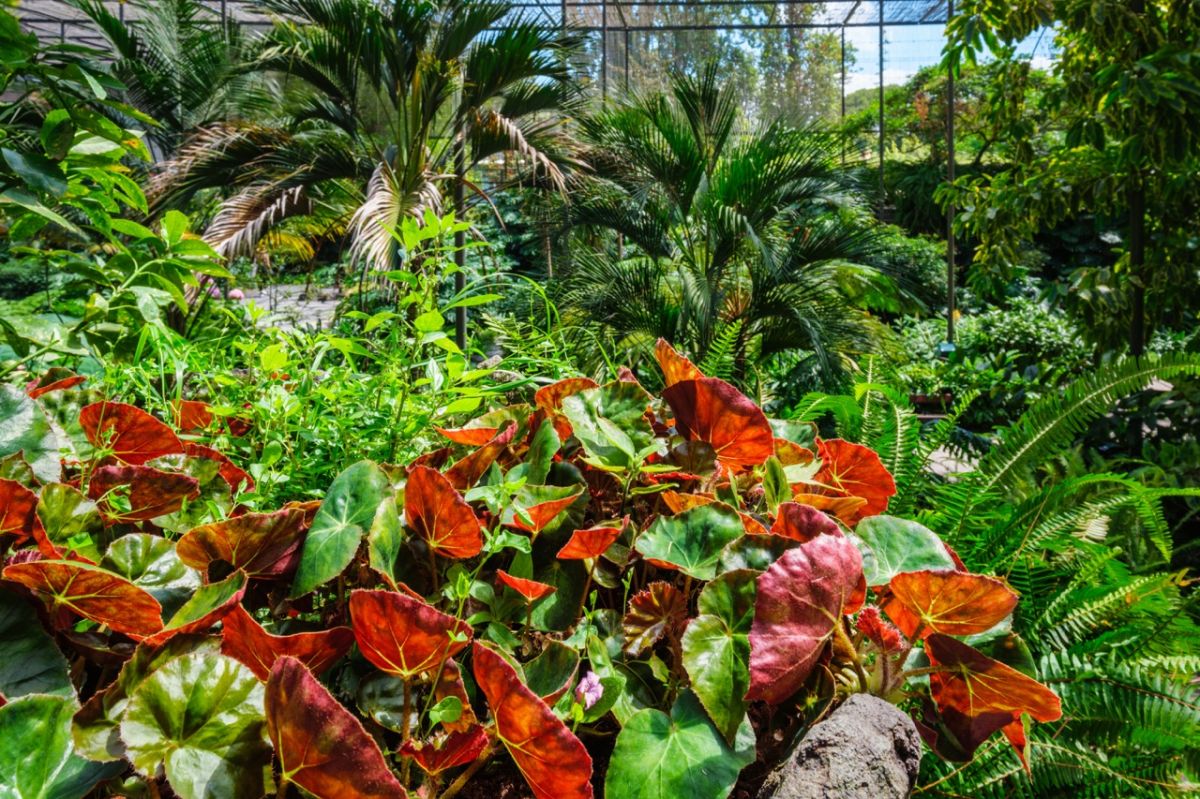
One of the most frequently asked questions is what is a botanical garden. Botanical gardens are specialized areas where various plant species are displayed for scientific, educational, and conservation purposes.
So, what is a botanical garden and why is it important?
It raises public awareness about plant diversity
These gardens hold great value both for academic studies and for helping the public connect with nature. Therefore, the question what is a botanical garden defines not merely a recreational space, but a scientific center.
Botany is not a science confined to laboratories. It directly applies to many areas of daily life. Especially in landscape architecture, agriculture, environmental protection, and urban planning, botanical knowledge plays a fundamental role.
Practical answers to the question what is botany science include:
In this context, what is botany is an indispensable science for a sustainable future.
Cem Botanik applies botanical knowledge not only in theory but also in practice. Through plant rental solutions, ecological landscape applications, and innovative systems, it integrates nature into modern living spaces.
Especially plant rental services enable the correct use of plants in both indoor and outdoor environments: https://cembotanik.com/bitki-kiralama
Geoweb applications, offering eco-friendly ground reinforcement and infrastructure solutions, stand at the intersection of botany and engineering: https://cembotanik.com/geoweb
This approach brings the philosophy behind what is a botanical garden into everyday living spaces.
In summary, the questions what is botany, what is botany science, and what is a botanical garden are of great importance for understanding, protecting, and passing nature on to future generations. Plant science is not merely a field that studies nature; it is an essential guide for the sustainability of human life.
Bringing nature together with science is the foundation of a green future.