Installation is a powerful form of expression that removes the boundaries between art and space, transforming the viewer from a passive observer into an active participant. Today, installation is a contemporary language used across many disciplines, from galleries and public spaces to landscape and architecture. Especially through its relationship with nature, installation applications in landscape design add meaning, narrative, and emotional depth to spaces.
The question “What is installation?” is a fundamental concept frequently encountered in contemporary art and design. Installation refers to artistic arrangements created for a specific space, often carrying meanings unique to that space and aiming to engage the viewer directly with the environment.
The word originates from the English term “installation.” In simple terms, what does installation mean can be explained as an artistic setup placed within a space. However, installation is not a single object; it is a holistic narrative formed through space, time, light, sound, and sometimes nature itself.
The question what is installation art is important for understanding that this concept goes beyond physical arrangement. Installation art is a form of art in which the viewer becomes part of the space rather than merely observing it.
In installation art:
For this reason, what is installation art can be described as “art that is experienced rather than observed.” The artist conveys meaning not through a single object, but through the entire spatial composition.
In landscape design, installation serves as an important tool that strengthens the spirit of a place and creates an emotional connection with users. When combined with nature, installation offers an even more powerful and impactful expression.
Installation applications in landscape design:
Create artistic focal points in parks and gardens
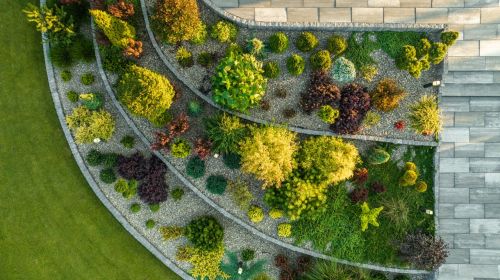
For example, installations created using natural stone, wood, water, plants, and light are perceived as part of the natural environment. In this context, what is installation can be defined at the landscape scale as an artistic intervention that adds meaning to space.
The main purpose of installation in art is to create an intellectual and emotional impact on the viewer. Here, what is installation art gains a deeper meaning.
Installations often:
Therefore, what does installation mean is not limited to aesthetics; it also carries conceptual depth. The artist invites the viewer to think, feel, and question.
Around the world, there are many striking installation examples that combine environment, art, and architecture.
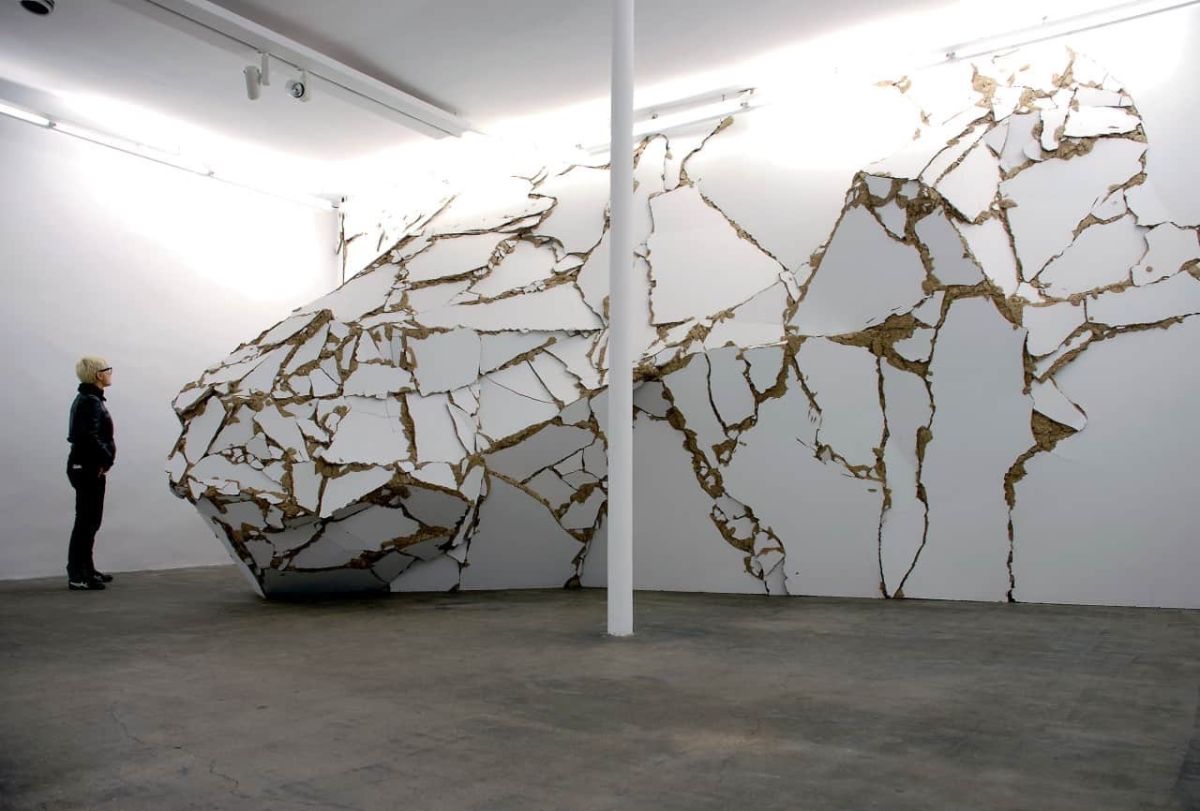
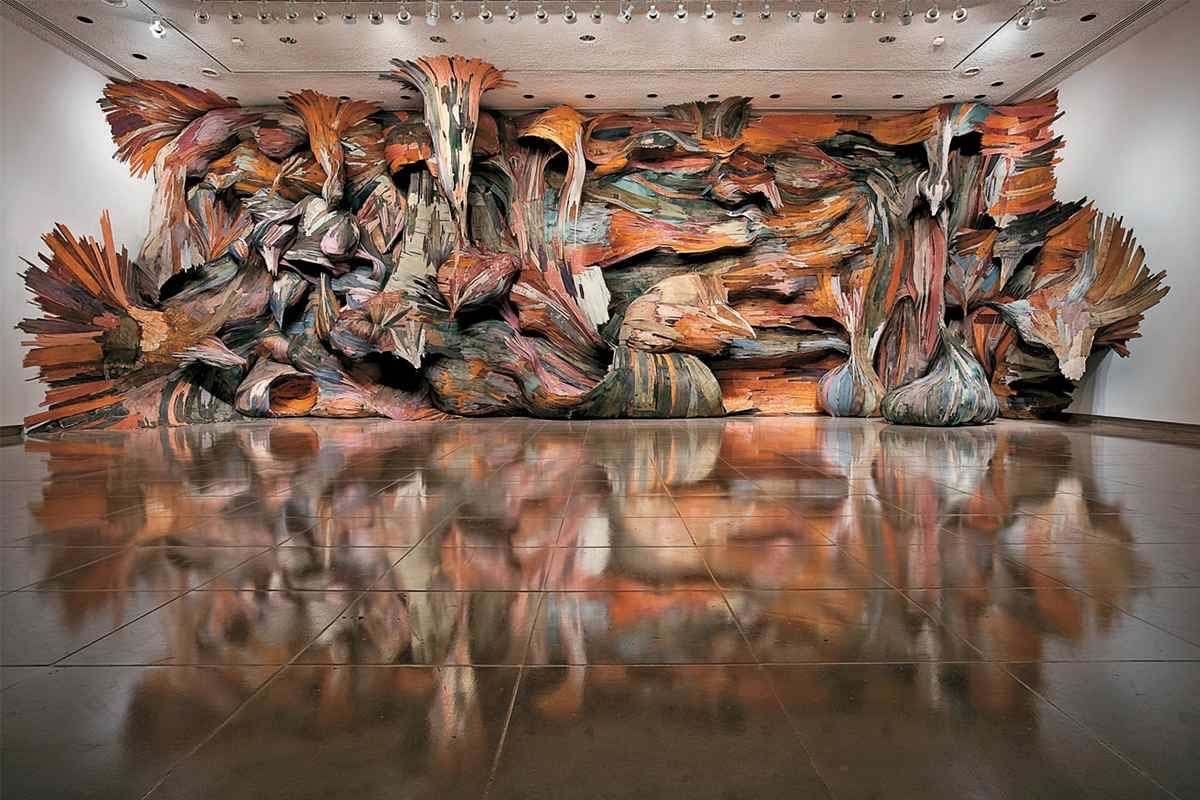
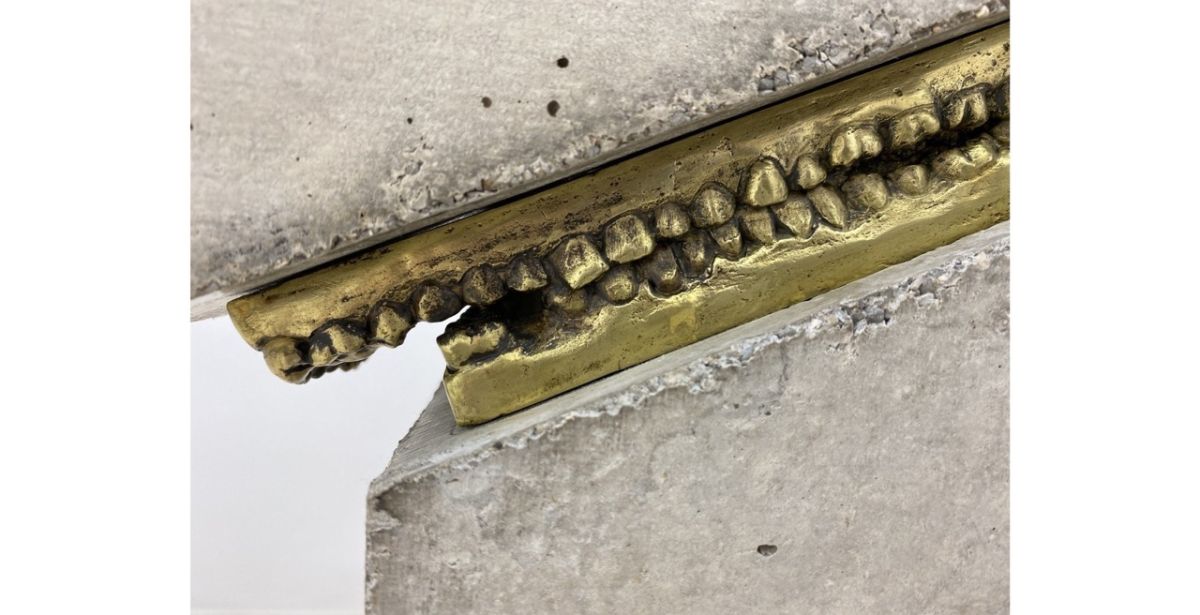
Some notable installation examples include:
These installation examples offer viewers the opportunity to build a new relationship with space and expand the boundaries of art.
Cem Botanik does not limit landscape design to planting and hardscape applications alone. Through nature-integrated installation projects, it brings an artistic identity to spaces.
In projects where natural materials, water elements, plants, and spatial composition come together, installation becomes an inseparable part of the landscape. In this approach, what is installation is answered as a creative dialogue established with nature.
For artistic and holistic landscape design solutions:
https://cembotanik.com/peyzaj-proje-tasarimi-ve-uygulama
In summary, the answers to questions such as what is installation, what is installation art, what does installation mean, and installation examples reveal why this discipline holds an important place in contemporary art and landscape design. Installation adds not only aesthetics but also meaning, experience, and emotion to space.
Installation practices that bring art and nature together are powerful tools that strengthen spatial identity in landscape design.