The Andız tree is a remarkable and long-valued tree species that has been known for centuries across Anatolia and the Mediterranean region. With its strong structure, aromatic resin, durable wood, and distinctive seeds, the Andız tree represents resilience, longevity, and harmony with nature. In this article, you will find comprehensive answers to questions such as what is the Andız tree, where does the Andız tree grow, Andız tree benefits, and Andız tree characteristics, along with information about its seeds and traditional uses.
One of the most frequently asked questions is “What is the Andız tree?”
The Andız tree is botanically known as Juniperus drupacea and belongs to the juniper family. It is also commonly referred to as the “Andız juniper.”
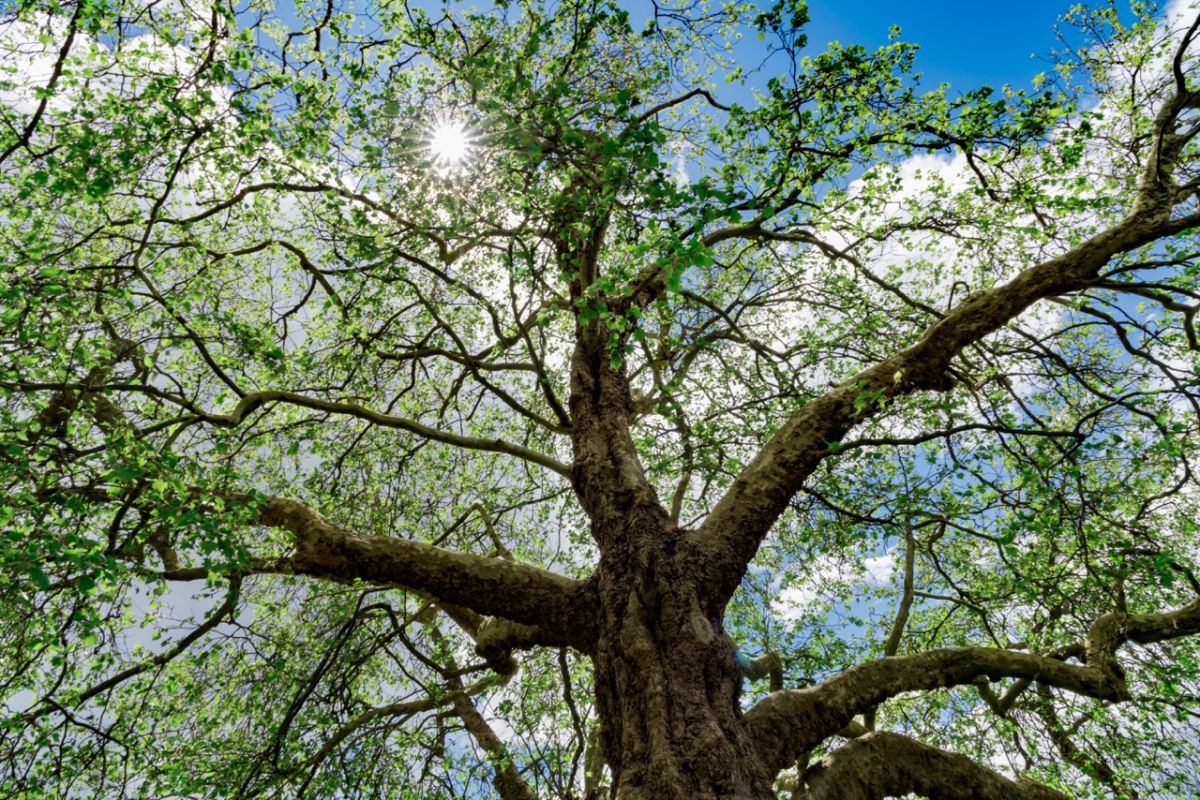
When asking what does the Andız tree look like, the answer is clear: it is a slow-growing, long-lived tree with a thick trunk, cracked dark bark, and a strong, resilient structure. Under suitable conditions, it can live for several hundred years. One of its most distinctive features is its large cones, which contain the well-known Andız tree seeds.
Another common question is where does the Andız tree grow. This tree naturally thrives in:
Its ability to survive in harsh conditions highlights the strong adaptability of the species.
For those wondering where does the Andız tree grow in Türkiye, it is primarily found in:
In these areas, the Andız tree grows naturally in scattered populations and shows excellent resistance to drought and temperature fluctuations.
The characteristics of the Andız tree make it distinct from many other tree species. Key Andız tree characteristics include:
These features also answer the question what does the Andız tree look like: a patient, strong, and nature-adapted tree built for endurance rather than speed.
One of the most unique aspects of this tree is the Andız tree seed. Found inside its large cones, these seeds have both practical and symbolic importance.
The benefits of Andız tree seeds have been known in traditional culture for generations. Historically, Andız seeds have been used in:
The Andız tree seed benefits are mostly associated with durability, symbolism, and cultural value rather than direct nutritional use. Thanks to their extremely hard structure, Andız seeds can remain intact for many years without deterioration.
When discussing Andız tree benefits, it is important to note that these benefits are largely rooted in traditional knowledge rather than modern medical science.
Traditionally, the Andız tree has been valued for:
In some regions, Andız tar has been produced from the tree and used in folk practices. However, any medicinal use should always be approached with caution and professional guidance. The phrase Andız tree benefits primarily reflects cultural and traditional applications.
Throughout history, the Andız tree has been used in various fields thanks to its durability and resilience:
Because of its hard wood and resistance to decay, the Andız tree has been especially valuable for outdoor use.
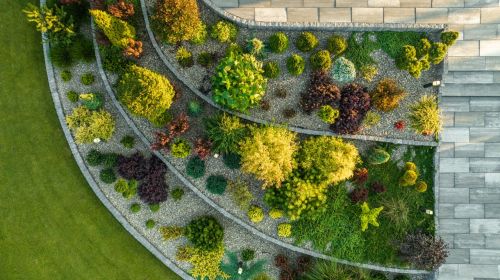
In landscape design, the Andız tree is appreciated for its natural and regional character. It is particularly suitable for:
Although slow-growing, the Andız tree becomes a powerful and permanent landscape element over time. Using native trees like Andız supports sustainable and environmentally responsible landscape practices.
Cem Botanik integrates native and resilient species such as the Andız tree into long-lasting, eco-friendly garden planting projects. By prioritizing correct species selection, site analysis, and ecological balance, Cem Botanik creates landscapes that are both visually strong and environmentally sustainable.
To learn more about professional garden and vertical planting solutions, visit:
https://cembotanik.com/dikey-bitkilendirme
In conclusion, the Andız tree holds a significant place both in nature and cultural heritage. Understanding what is the Andız tree, where does the Andız tree grow, where does the Andız tree grow in Türkiye, Andız tree characteristics, and benefits of Andız tree seeds clearly shows why this species is so highly valued.
With its resilience, long life, and deep connection to local ecosystems, the Andız tree stands as a living symbol of nature’s strength and continuity—bridging the past and the future through sustainable landscape practices.