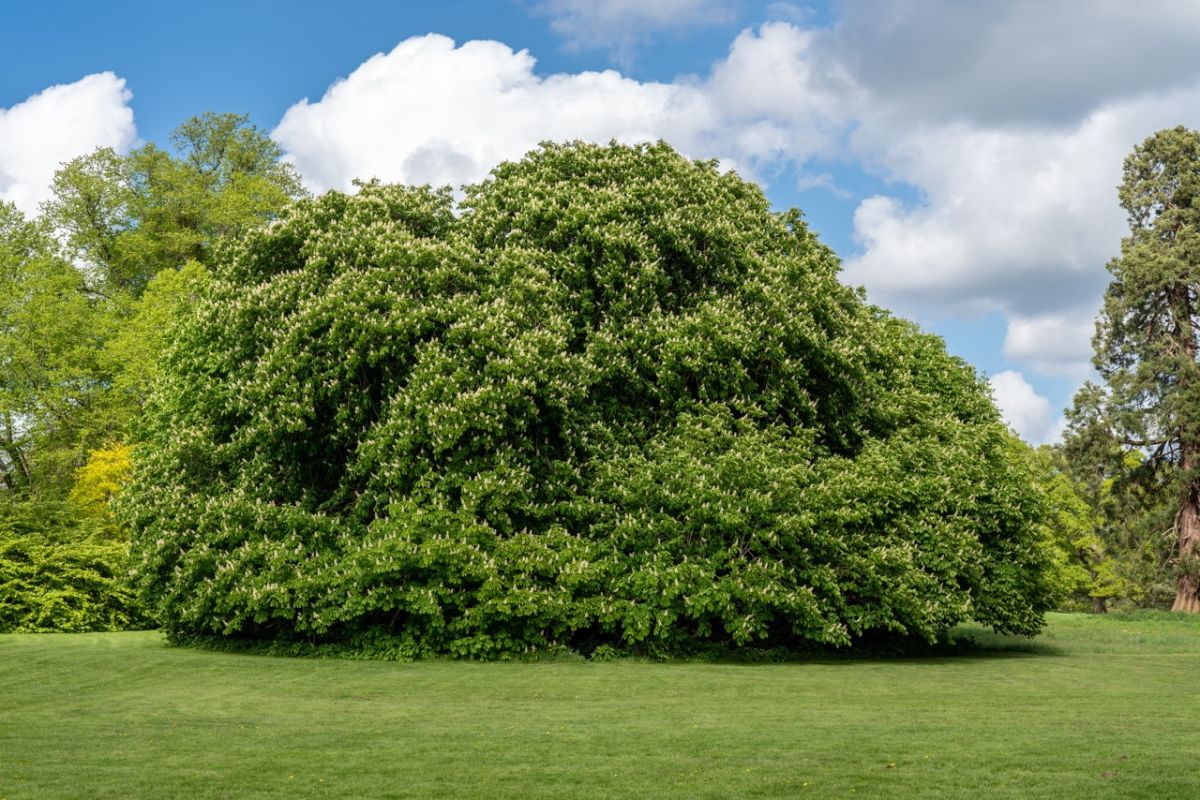
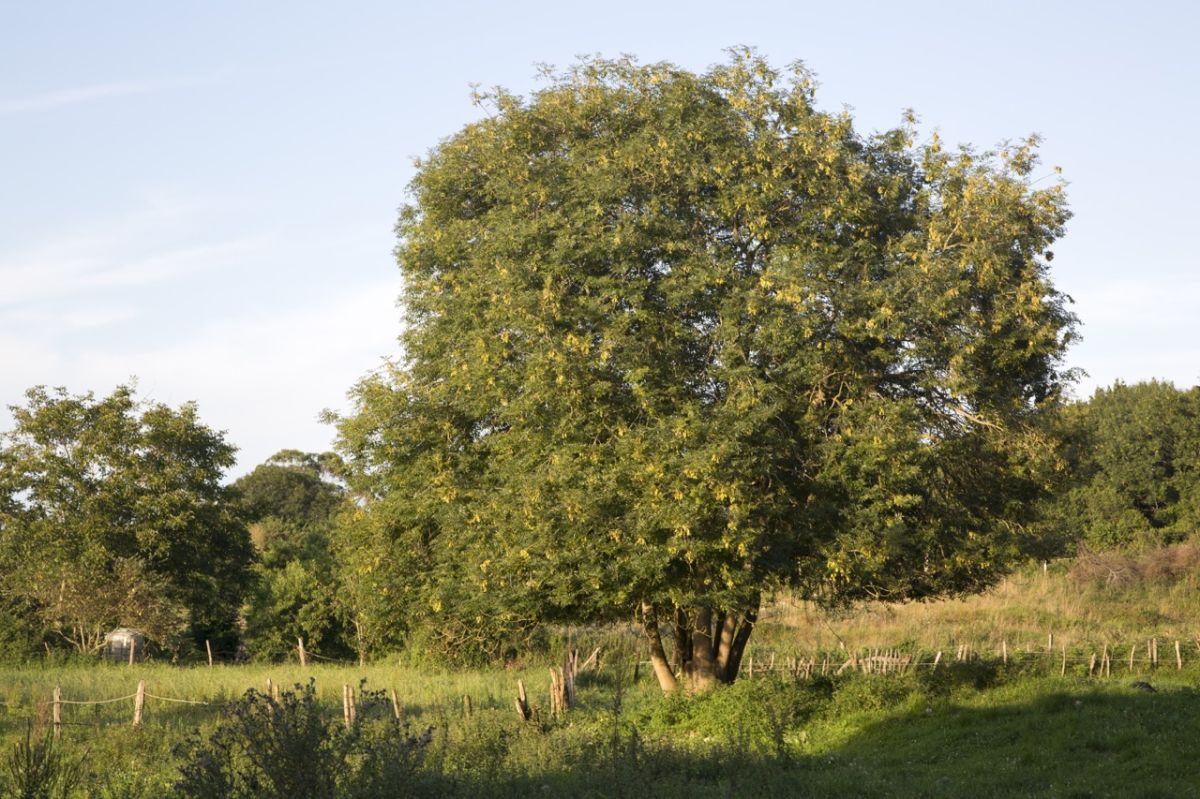
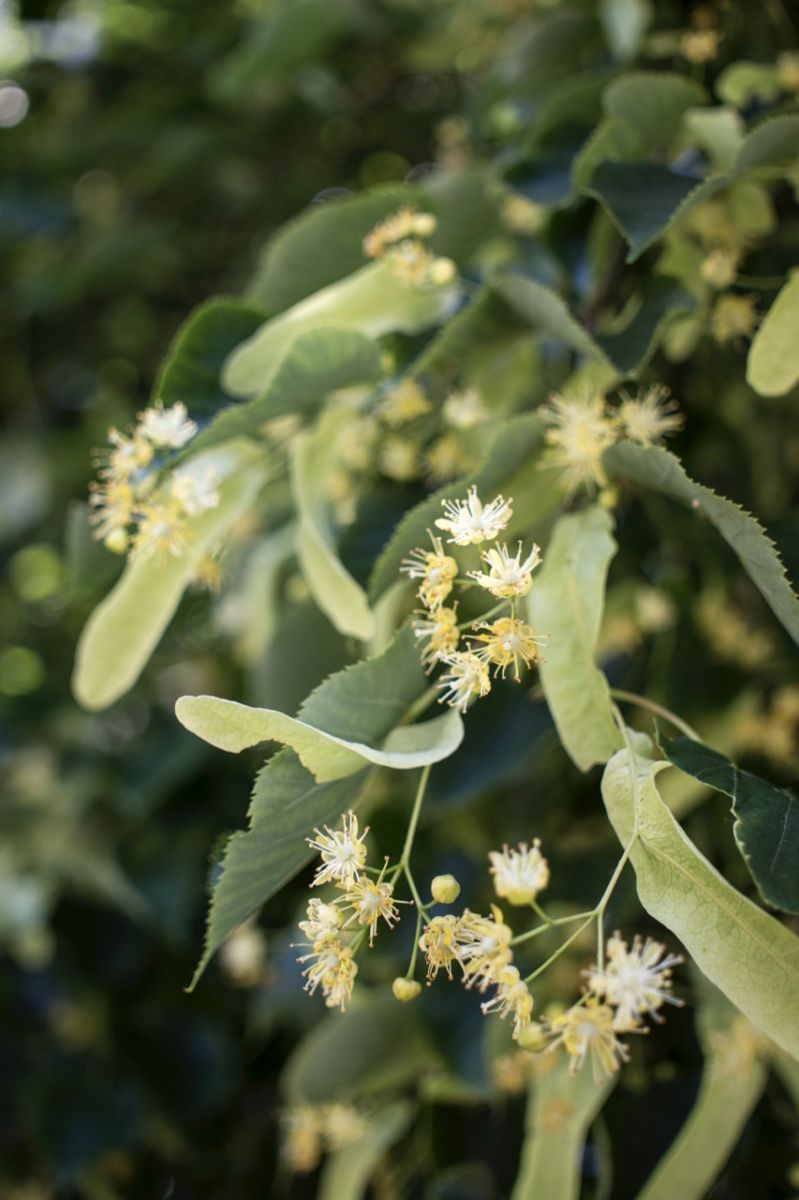
The linden tree has been an important part of both the relationship with nature and cultural memory for centuries. With its fragrant flowers, broad leaves that provide shade, and effects believed to soothe the human spirit, the linden tree holds a special place in Anatolia. Used in many areas from rural landscapes to city centers, the linden tree offers aesthetic, ecological, and functional value together.
The question “Where does the linden tree grow?” is a fundamental starting point for those who want to use this tree in gardens or landscape areas. The linden tree prefers temperate climate conditions and may be sensitive to extreme heat, prolonged drought, or severe frost.
In Türkiye, the clearest answer to where the linden tree grows is the Marmara, Black Sea, and Aegean regions. In these areas:
From a soil perspective, deep, well-drained, humus-rich, and slightly moist soils are ideal. Heavy clay soils or soils that retain excessive water may cause root rot. Therefore, where the linden tree grows is directly related not only to climate but also to soil structure.
In nature and landscape applications, various linden tree varieties can be found. These varieties differ in leaf size, crown form, environmental tolerance, and intended use.
The most commonly known linden tree varieties include:
Known for its intense floral fragrance and elegant leaves. Its compact form makes it suitable for parks and medium-sized gardens.
Provides strong shade thanks to its broad leaves and wide crown. It is preferred in large open areas.
Its leaf undersides are silver-colored. It is more resistant to air pollution and is frequently used in urban landscapes.
These linden tree varieties offer long-lasting solutions in landscape design when selected according to site conditions and usage goals.
The linden tree characteristics include many features that make it valuable both in nature and in residential areas. In general, the linden tree:
These linden tree characteristics make it an ideal tree for parks, walkways, seating areas, and large gardens. It also enhances environmental comfort by creating a microclimate in urban areas.
The question “When should a linden tree be planted?” is critical for healthy development. Planting should be carried out during the tree’s dormant period.
In general:
Planting during extreme summer heat or in frozen winter soil is not recommended. Therefore, when to plant a linden tree can be summarized as autumn and early spring.
The benefits of the linden tree are not limited to its aesthetic contribution. It provides important ecological and cultural advantages.
Linden flowers are traditionally known for their calming effects
With these qualities, the linden tree enhances both ecosystem health and human well-being.
Cem Botanik prioritizes long-term ecological balance as well as visual quality in landscape projects. The linden tree is an important part of this approach. With proper species selection, correct planting time, and appropriate placement, sustainable and long-lasting green spaces are created.
For landscape solutions compatible with natural materials:
https://cembotanik.com/ahsap-doseme-uygulamalari
For professional landscape planning services:
https://cembotanik.com/peyzaj-hizmetleri/
In conclusion, the linden tree is one of the indispensable tree species in landscape design due to its aesthetic appearance, pleasant fragrance, and environmental contributions. Answers to questions such as where the linden tree grows, linden tree varieties, linden tree characteristics, when to plant a linden tree, and the benefits of the linden tree clearly show why this tree is so valuable. For nature-friendly, long-lasting, and meaningful landscapes, the linden tree is a wise choice.