Planting a tree is one of the most meaningful ways to contribute to nature and create a long-lasting living environment. However, if the correct methods are not followed, newly planted saplings may fail to establish or dry out quickly. In this guide, you will find everything you need to know—from choosing the right sapling to planting, watering, and essential care tips—explained in simple and effective steps.
Tree planting is the process of placing a sapling into the soil in a way that supports healthy root development and long-term growth. The goal is not just to put a tree into the ground, but to ensure that it adapts well to its environment and thrives for many years.
Timing is one of the most important factors affecting the success of tree planting.
Autumn (October–November) and spring (March–April) are the most suitable seasons for planting trees.
Summer planting requires frequent and careful watering due to heat stress. In winter, planting is not recommended during frost periods, especially in frozen or waterlogged soil, as roots cannot develop properly.
Follow these steps to ensure a healthy and successful planting process.
Select saplings that have:
Clear the planting area of stones, debris, and weeds. Loosen the soil to improve air circulation and root penetration.
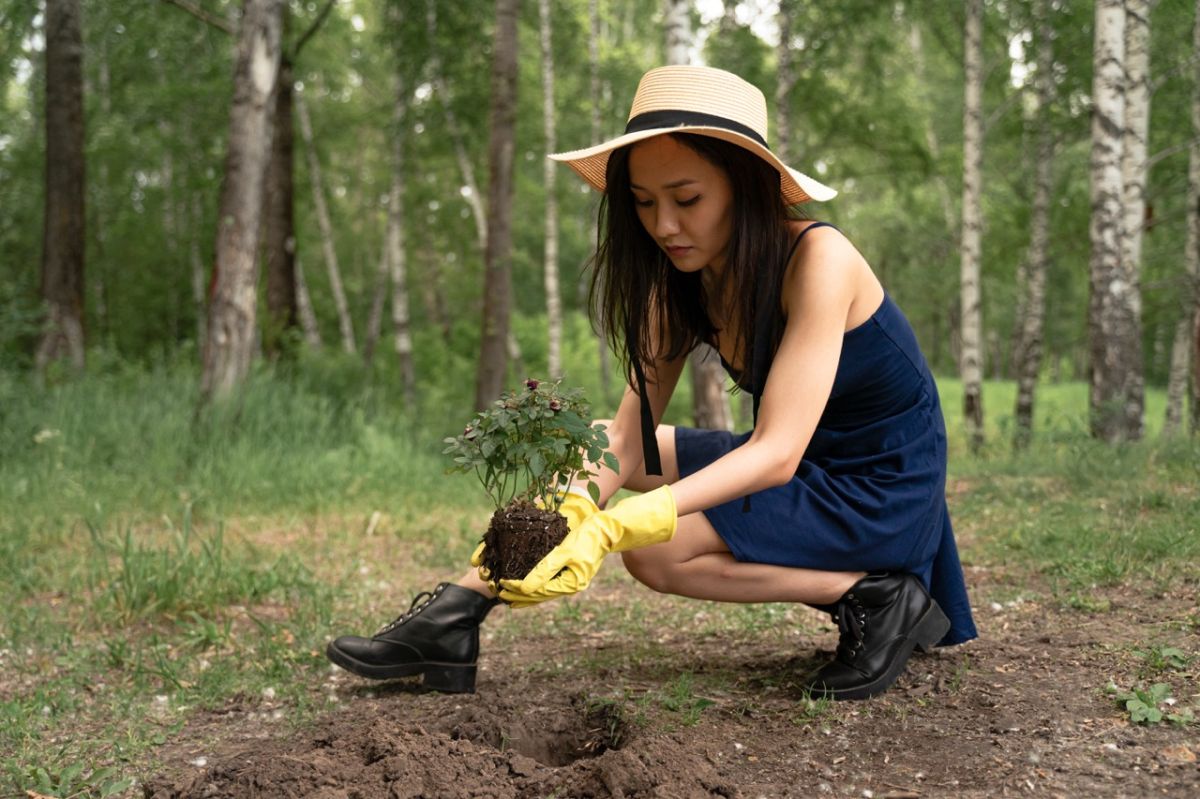
The planting hole should be at least twice the width of the root ball and 10–15 cm deeper than the root length. This allows roots to spread comfortably.
The root collar (where the trunk meets the roots) should remain at ground level. Planting too deep can lead to root rot and poor growth.
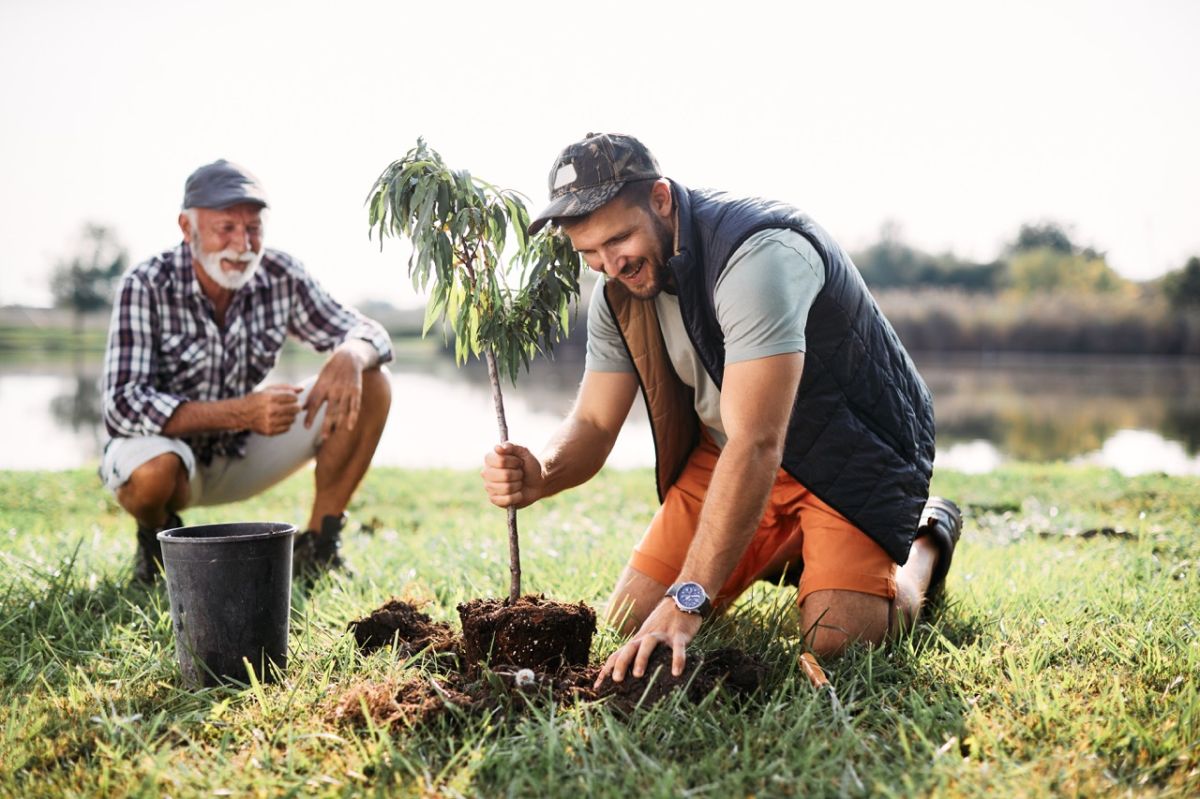
Place the sapling upright in the center of the hole. Spread the roots naturally without bending or compressing them.
Fill the hole with topsoil and gently press the soil down by hand or foot to eliminate air pockets around the roots.
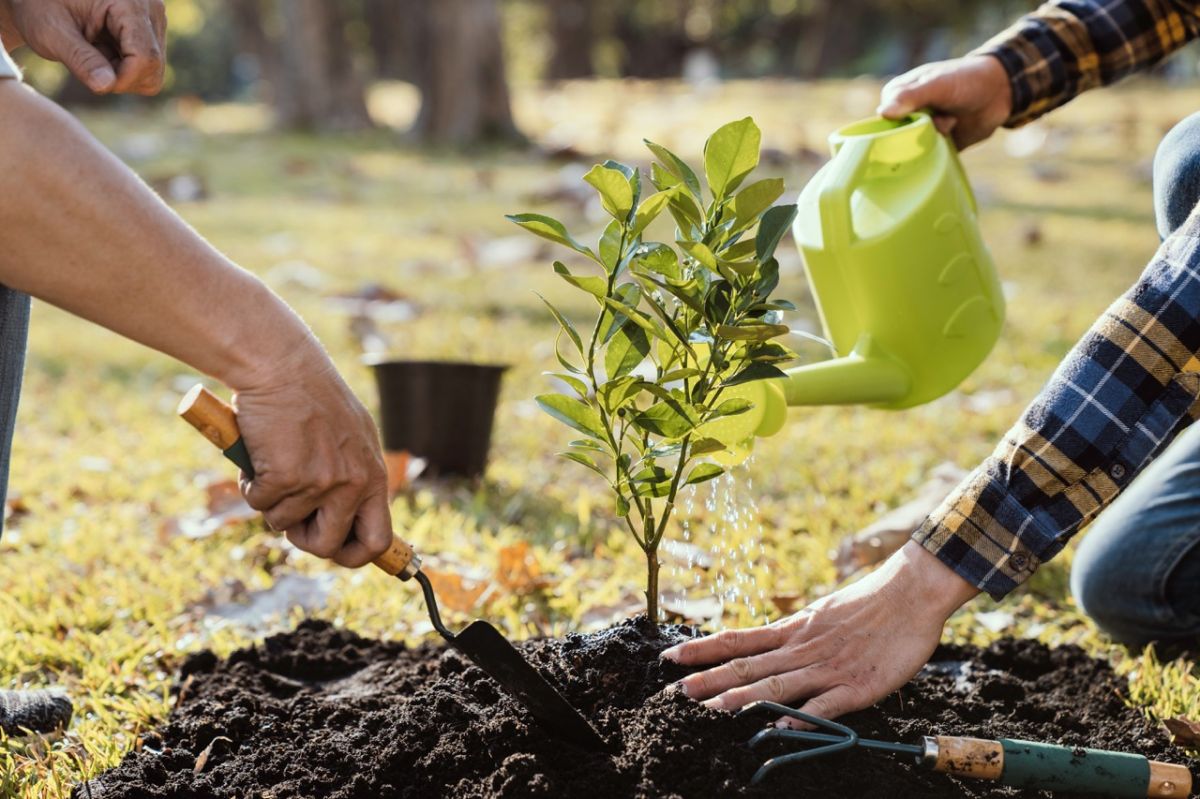
Water the sapling thoroughly immediately after planting. This first watering helps the soil settle and strengthens root-to-soil contact.
During the first 1–2 months:
Water every 2–3 days initially
Then reduce to once a week
Always adjust watering frequency based on soil moisture and weather conditions.
Each tree species has specific soil and sunlight requirements. Some prefer full sun, while others grow better in partial shade.
One of the most common mistakes is planting the tree too deep. The root collar should never be buried.
Planting in excessively wet or muddy soil is not recommended, as it prevents roots from receiving enough oxygen.
The best time to relocate a tree is during late autumn, after leaf drop, when the tree enters dormancy.
Signs of successful establishment include:
Improper planting depth, insufficient watering, unsuitable soil conditions, or lack of early care can cause a newly planted tree to dry out.
This depends on the tree species:
Correct tree planting combined with professional landscape applications leads to healthier and longer-lasting results. For large-scale projects and sustainable solutions, professional support from landscape project design and implementation services is highly recommended.