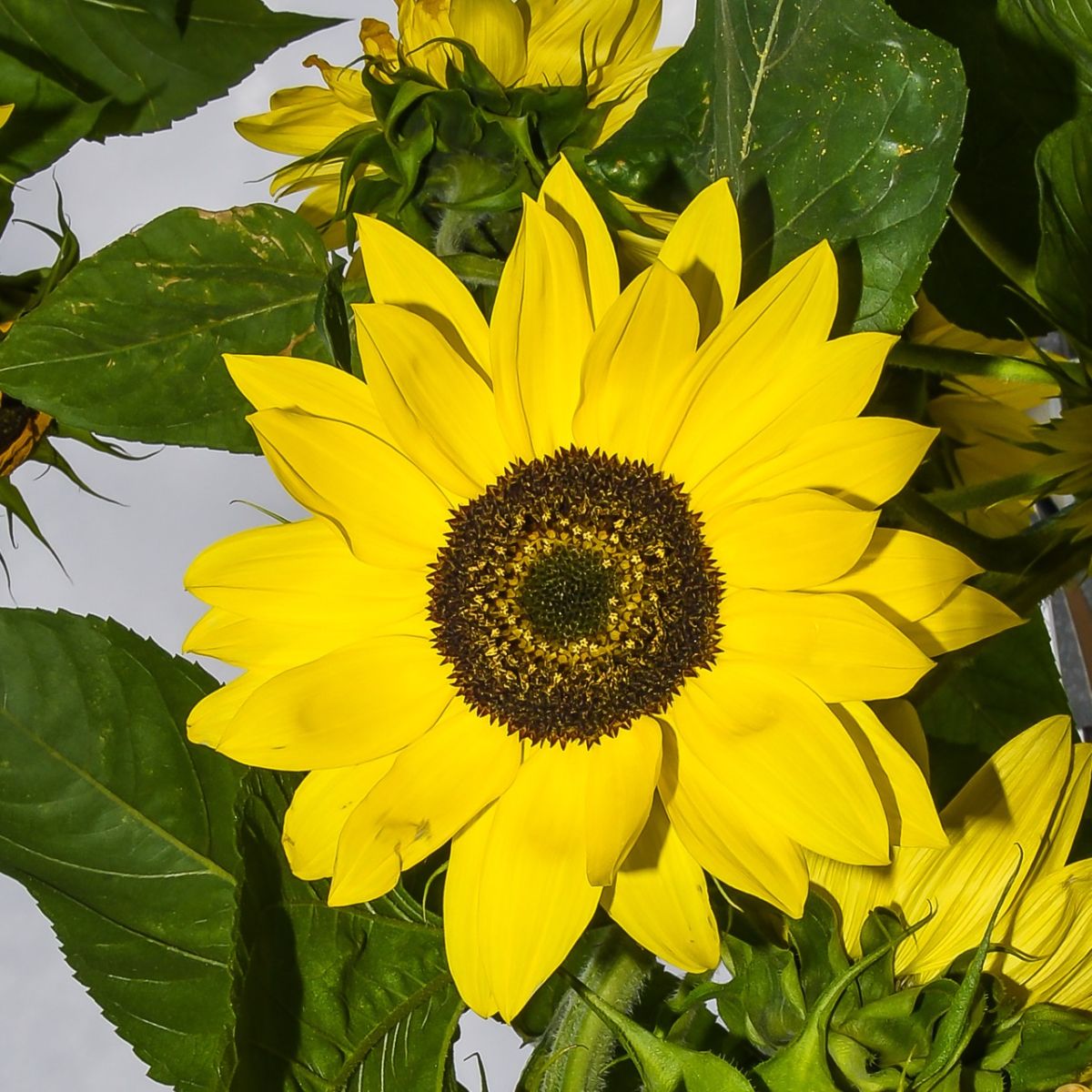
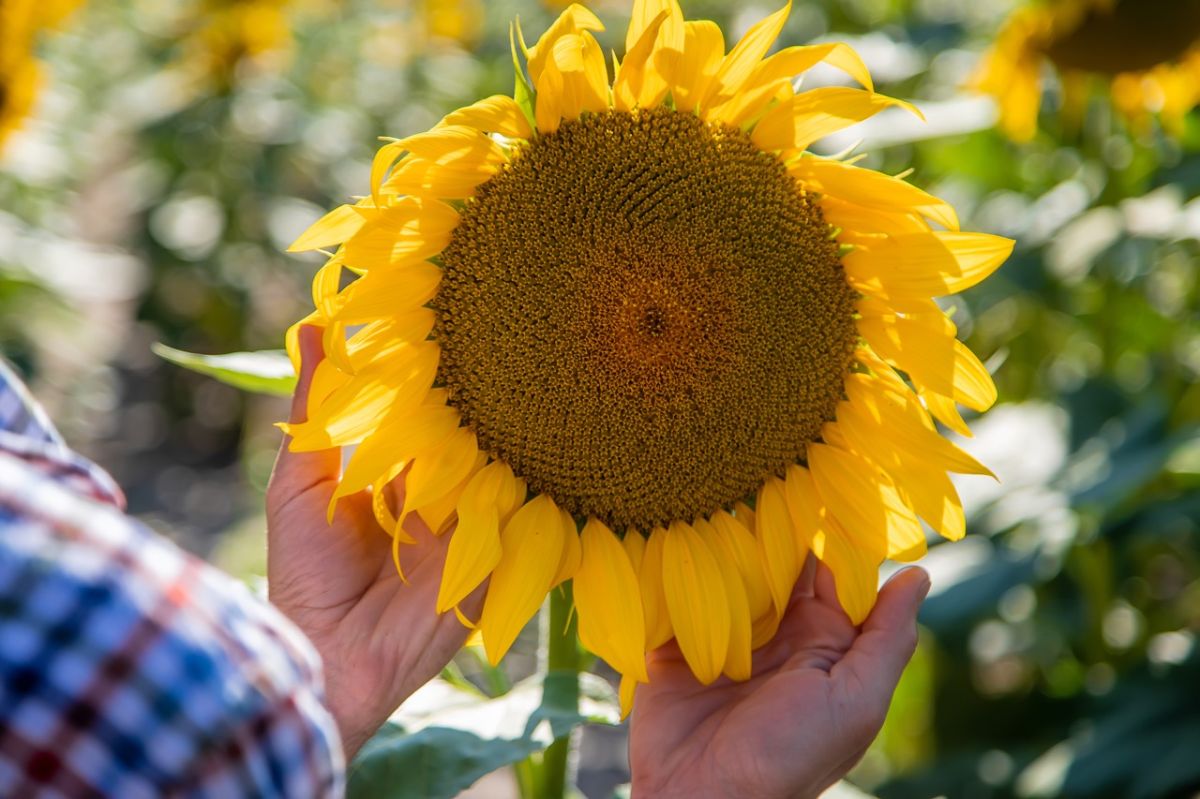
The sunflower is not only admired for its bright yellow petals and sun-facing posture, but also for the powerful mythological story it carries through history. This ancient tale symbolizes love, devotion, transformation, and an eternal bond with the sun. The reason why sunflowers always turn toward the sun is rooted in a tragic and poetic myth from Greek mythology.
In mythological narratives, plants are not merely elements of nature; they are living reflections of human emotions and divine intervention. The sunflower is one of the most well-known examples of transformation through love and devotion. Its movement toward the sun is not accidental—it is the embodiment of unwavering loyalty.
Clytie is a water nymph in Greek mythology, one of the daughters of Oceanus, the primordial god of the great sea. Known for her sensitivity and emotional depth, Clytie eventually becomes a symbol of unrequited love.
Clytie falls deeply in love with Helios, the god of the sun, who crosses the sky each day in his radiant chariot. In some versions of the myth, Helios is later associated with Apollo. Clytie becomes enchanted by his light, warmth, and divine beauty, spending her days watching his journey across the sky.
Unfortunately, Clytie’s love is never returned. Helios does not reciprocate her feelings and instead falls in love with another mortal woman. This rejection marks the beginning of a tragic transformation.
Heartbroken, Clytie withdraws from the world. For days, she neither eats nor drinks, sitting on the bare earth and gazing endlessly at the sun. As her body weakens, her spirit remains bound to Helios, refusing to turn away from him.
Moved by her unwavering devotion, the gods transform Clytie into a flower. Rooted in the earth yet forever facing the sun, she becomes what we now recognize as the sunflower. This metamorphosis represents eternal love, loyalty, and the power of transformation.
While science explains the sunflower’s movement as heliotropism, mythology interprets this behavior as the physical expression of Clytie’s devotion. The flower’s constant orientation toward the sun symbolizes love that endures despite rejection.
In many languages, including Turkish (“günebakan”) and English (“sunflower”), the name of the plant reflects its defining behavior—turning toward the sun. This linguistic connection reinforces the mythological belief that the flower never abandons the object of its love.
Throughout history, sunflowers have carried powerful symbolic meanings, including:
Unconditional and unreturned love
Loyalty and devotion
Vitality, warmth, and life energy
Spiritual guidance and constancy
Because of these meanings, sunflowers are often used in gardens and landscape designs not only for their visual appeal but also for their symbolic depth. For inspiration on plant selection, you may explore our guide on fragrant flowers that add color to your garden.
In modern culture, the sunflower represents optimism, positivity, and resilience. In art and literature, it often symbolizes a soul that never loses its direction—always turning toward light, growth, and hope.
Beyond Greek mythology, sunflowers have held sacred meaning in various cultures. In ancient Central American civilizations, the sunflower symbolized the sun deity and was used in religious rituals and temple decorations. Today, its adaptability and resilience make it a popular choice across diverse climates. For cold-weather planting inspiration, see our guide on cold-hardy flowers and plants.